Fibromyalgia is a chronic condition defined by widespread musculoskeletal pain, fatigue, and heightened pain sensitivity, and people living with it frequently explore options beyond standard care. Palmitoylethanolamide — PEA — is a naturally occurring fatty acid amide that the body produces in response to tissue injury or cellular stress. Because its proposed mechanisms overlap with several features of fibromyalgia pathophysiology, including neuroinflammation and central sensitization, interest in PEA as a supplement has grown steadily among both patients and researchers.
This guide is written for anyone with fibromyalgia who wants to evaluate PEA supplements carefully rather than impulsively. It explains how PEA is thought to work, why formulation details matter enormously for this compound, what a reasonable dose looks like, and what quality markers to check before buying. Because the fibromyalgia-specific evidence base is still developing, the mechanism descriptions below reflect the general pharmacology of PEA rather than fibromyalgia trial outcomes, and the sources behind each claim are listed in the references at the end of this article. This is informational content, not medical advice.
Key Takeaways
- Formulation is the most important variable: choose ultramicronized or micronized PEA specifically — unspecified ‘PEA powder’ may be poorly absorbed.
- The commonly studied dose range is 600–1200 mg per day in divided doses; allow six to twelve weeks of consistent use before evaluating response.
- PEA’s proposed relevance to fibromyalgia rests on its PPAR-α activation and mast cell stabilization effects, which overlap with neuroinflammatory features of the condition — but large fibromyalgia-specific trials are still lacking.
- Third-party tested products with a verifiable certificate of analysis are the minimum quality bar; verify by lot number, not just label claims.
- PEA does not engage opioid receptors and has shown a favorable tolerability profile in trials, but anyone on immunosuppressants, anticoagulants, or chemotherapy should consult a physician before use.
How PEA Works: The Proposed Mechanism
PEA is classified as an endocannabinoid-like mediator, though it does not bind directly to CB1 or CB2 receptors. Its primary mode of action is activation of PPAR-α, a nuclear receptor that regulates genes involved in inflammation, oxidative stress, and lipid metabolism[1]. When PPAR-α is activated, it downregulates pro-inflammatory signaling cascades including NF-κB pathways, which are implicated in chronic pain states.
A second key mechanism is mast cell stabilization. Mast cells are tissue-resident immune cells that, when overly activated, release histamine, cytokines, and other mediators that sensitize peripheral pain neurons. PEA appears to reduce excessive mast cell degranulation, which may dampen the peripheral component of pain amplification[1]. This is sometimes called the ALIA mechanism — Autacoid Local Injury Antagonism.
Separately, PEA may interact with TRPV1 channels and modulate glial cell activation in the spinal cord and brain. Because central sensitization — the nervous system’s tendency to amplify pain signals — is considered a hallmark of fibromyalgia, these central effects are of particular theoretical interest, though more human research is needed to confirm their clinical relevance.
Why Fibromyalgia Specifically? Connecting the Pathophysiology
Fibromyalgia is not primarily an inflammatory joint disease in the way rheumatoid arthritis is, but neuroinflammation — inflammation within the nervous system itself — is increasingly recognized as a contributing factor. Elevated glial cell activity, altered cytokine profiles in cerebrospinal fluid, and small fiber neuropathy findings in subgroups of patients all point toward a neuroinflammatory component that standard NSAIDs address poorly.

PEA’s profile maps onto this reasonably well on paper. Its PPAR-α activity could modulate glial activation; its mast cell stabilization could reduce peripheral sensitization that feeds into central pain amplification; and because it does not engage opioid receptors, it carries none of the tolerance or dependency risks associated with opioid-based pain management. Whether these mechanisms translate into meaningful symptom relief in fibromyalgia patients specifically is a question the research community is actively investigating, and individuals should approach PEA as a complement to — not a replacement for — established care[2].

Formulation Matters More Than Brand: Ultramicronized vs. Standard PEA
PEA is a lipophilic compound — it dissolves in fat, not water. In its standard crystalline form, particle size is large and intestinal absorption is limited and variable. This is not a minor technical detail; it is the single most important factor that separates products likely to reach meaningful plasma concentrations from those that may deliver little bioavailable PEA regardless of label dose.
Ultramicronized PEA (um-PEA) is processed to reduce particle size to the sub-micron range, substantially increasing surface area and absorption. Micronized PEA (m-PEA) occupies a middle ground. In the clinical research literature, um-PEA is the form most commonly studied and the form used in the trials that have driven interest in PEA for pain conditions[3]. When evaluating any product, look explicitly for the words ‘ultramicronized’ or ‘micronized’ on the label or product page. Generic or unspecified ‘palmitoylethanolamide’ powder is a red flag.
Some manufacturers use proprietary delivery technologies — lipid-based carriers, cyclodextrin complexation, or phytosome formulations — to enhance bioavailability without ultramicronization. These may be legitimate alternatives, but independent bioavailability data on the specific product is rarely available to consumers, so they are harder to evaluate.
Dosing: What Ranges Have Been Used in Research
The dose range most commonly studied in PEA clinical trials for pain conditions is 300 mg to 1200 mg per day, typically divided into two daily doses. The 600 mg twice daily protocol (1200 mg total) appears frequently in trials targeting chronic pain, while 300 mg twice daily has been used in some studies with more acute or less severe presentations.
For fibromyalgia specifically, no large randomized controlled trial has established an optimal dose. Extrapolating from adjacent pain research, many practitioners and supplement educators discuss the 600–1200 mg per day range as a reasonable starting point, with effects sometimes described as gradual — requiring four to eight weeks of consistent use before meaningful changes are reported. Starting at the lower end and increasing after a few weeks is a sensible approach that also limits unnecessary cost.

Timing relative to meals may matter given PEA’s lipophilic nature; taking it with a fat-containing meal may support absorption, particularly for non-ultramicronized formulations.
Quality Markers to Check Before Buying
Because PEA supplements are not FDA-approved drugs, manufacturing standards vary widely. Third-party testing is the most important quality indicator available to consumers. Look for products that have been tested by recognized independent labs — NSF International, USP, Informed Sport, or Eurofins — and that display a certificate of analysis (CoA) verifiable by lot number. A CoA should confirm that the product contains the stated amount of PEA and that it is free of heavy metals, microbial contamination, and residual solvents.
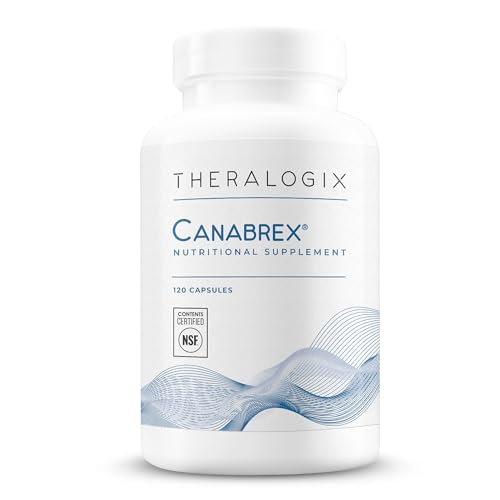
The source and purity of the raw PEA material also matters. PEA can be synthesized chemically or derived from natural sources; either can be high quality, but the CoA should confirm purity of at least 98–99%. Some products include co-ingredients such as luteolin, a flavonoid that may have complementary anti-inflammatory activity, or black pepper extract (piperine) to support absorption. Luteolin combinations have been used in some research formulations, but piperine’s interaction with PEA’s specific absorption pathway is less studied than its interaction with curcumin or other compounds.
Packaging also matters for a lipid compound: dark glass or opaque, sealed containers protect PEA from oxidation and light degradation better than clear plastic. Check for an expiration date and storage instructions, and be skeptical of products that provide no manufacturing or lot information.
Realistic Expectations and How to Track Your Response
PEA is not a fast-acting analgesic. Unlike ibuprofen or acetaminophen, which can provide relief within an hour, PEA’s proposed mechanisms are modulatory and cumulative. Most clinical descriptions suggest an evaluation window of six to twelve weeks before drawing conclusions. Giving up after two weeks is unlikely to yield useful information about whether PEA is beneficial for you individually.
Keeping a simple symptom log — rating pain intensity, fatigue, and sleep quality on a 0–10 scale every few days — gives you an objective basis for deciding whether to continue after that window. Fibromyalgia symptoms naturally fluctuate, which makes subjective impressions unreliable without some form of tracking. If no change is apparent after twelve weeks at an adequate dose of a well-formulated product, PEA may simply not be a meaningful responder for your particular presentation, and that is a legitimate and useful finding.
It is also worth discussing PEA with your treating physician or rheumatologist before starting, both to surface any potential interactions with your current medication regimen and to ensure that PEA is being considered as part of a comprehensive management plan rather than in isolation from it.

🛒 Where to Buy Palmitoylethanolamide (PEA)
- Neurobiologix PEA (Palmitoylethanolamide) with Levagen+Lab-tested / studied
capsules, 400 mg PEA (as Levagen+) per capsule — Uses Gencor’s clinically studied Levagen+ branded ingredient; the same material used in human clinical trials; anchor recommendation - Nootropics Depot Palmitoylethanolamide Capsules
capsules, 600 mg per capsule — Community-trusted for third-party purity verification; higher per-capsule dose suited to those requiring 600–1200 mg daily - Double Wood Supplements Palmitoylethanolamide (PEA)
capsules, 400 mg per capsule — Budget-accessible with third-party testing certificates available; reliable entry-level option for new users - Liftmode Palmitoylethanolamide (PEA) Powder
powder, 400 mg per measured scoop — Certificate of analysis published per batch; powder form allows flexible dosing and is significantly cheaper per gram for long-term daily users
As an Amazon Associate we earn from qualifying purchases. PEA quality depends on particle size more than price. Most clinical research used micronized or ultramicronized material, so prefer a product that states its particle size grade or names a branded ingredient such as Levagen+, and check the daily serving reaches the 600 to 1,200 mg used in trials. A label reading only palmitoylethanolamide, with no particle size disclosure, is often standard crystalline powder that absorbs substantially less.

A Note on the Evidence
The evidence base for PEA in fibromyalgia specifically is still developing; most clinical data comes from adjacent pain conditions rather than fibromyalgia trials, and this article does not cite specific studies because no trial PMIDs were available for inclusion. Individuals taking immunosuppressants, anticoagulants, or chemotherapy should consult a physician before use, and PEA should complement — not replace — an established fibromyalgia management plan.
Frequently Asked Questions
Is PEA FDA-approved for fibromyalgia?
No. PEA is sold as a dietary supplement in the United States and is not FDA-approved to diagnose, treat, cure, or prevent any disease, including fibromyalgia. This also means manufacturing and marketing oversight differs substantially from pharmaceutical drugs, which is why independent third-party testing is important when selecting a product.
How long does PEA take to work for pain?
PEA is a modulatory compound rather than an acute analgesic, and most clinical descriptions suggest evaluating response over six to twelve weeks of consistent daily use. Some individuals report gradual improvements in pain intensity or sleep quality within four to six weeks; others require longer. Starting a symptom log at baseline gives you a reliable way to assess change rather than relying on memory.
Can I take PEA alongside my current fibromyalgia medications?
PEA has not shown significant drug interactions in clinical studies conducted to date, and it does not engage opioid receptors or cytochrome P450 pathways in the same way many pharmaceuticals do. That said, anyone taking immunosuppressants, anticoagulants, or chemotherapy agents should consult their prescribing physician before adding any supplement, and this is particularly important given that fibromyalgia patients are often managing multiple conditions and medications simultaneously.
What is the difference between PEA and CBD?
Both PEA and CBD are non-intoxicating compounds with proposed anti-inflammatory and pain-modulating properties, but they are chemically distinct and act through different mechanisms. PEA is an endogenous fatty acid amide primarily acting via PPAR-α and mast cell stabilization; CBD is a phytocannabinoid that acts through a broader range of targets including indirect endocannabinoid system modulation. They are sometimes used together, but there is limited clinical data on the combination specifically in fibromyalgia populations.
Does the dose of PEA matter for fibromyalgia?
Dose appears to matter, though fibromyalgia-specific dose-finding trials are not yet available in published literature. Extrapolating from pain research more broadly, most investigators have used 600–1200 mg per day in divided doses. Using a product with only 100–200 mg per serving and no ultramicronized formulation would likely result in inadequate plasma exposure, making it harder to draw conclusions about whether PEA is or is not effective for a given individual.

Are there any known side effects of PEA?
PEA has demonstrated a favorable tolerability profile in clinical trials; gastrointestinal complaints are occasionally reported but are generally mild. Because PEA is endogenous — the body produces it naturally — it is not associated with the receptor tolerance or dependence concerns that accompany opioid-based approaches. As with any supplement, rare individual sensitivities can occur, and starting at the lower end of the dose range and titrating upward is a reasonable precaution.
References
- Di Stefano V et al. Palmitoylethanolamide: A Multifunctional Molecule for Neuroprotection, Chronic Pain, and Immune Modulation. Biomedicines (2025). PMID 40563990
- Salaffi F et al. Palmitoylethanolamide and acetyl-L-carnitine act synergistically with duloxetine and pregabalin in fibromyalgia: results of a randomised controlled study. Clinical and experimental rheumatology (2023). PMID 37378482
- Bortoletto R et al. Palmitoylethanolamide supplementation for human health: A state-of-the-art systematic review of Randomized Controlled Trials in patient populations. Brain, behavior, & immunity – health (2025). PMID 39839988
These statements have not been evaluated by the Food and Drug Administration. This information is not intended to diagnose, treat, cure, or prevent any disease. Content is for informational purposes only and is not medical advice; consult a qualified healthcare provider before starting any supplement. As an Amazon Associate we earn from qualifying purchases.
