Living with chronic pain, be it the widespread ache of fibromyalgia, the debilitating grip of endometriosis, or the burning sting of neuropathy, often feels like a constant search for relief. Many of us have navigated a landscape of prescription medications, lifestyle changes, and alternative therapies, frequently weighing the benefits against potential side effects and the desire for a more natural approach. The question often arises: amidst a growing array of non-opioid options, where does something like Palmitoylethanolamide (PEA) fit in, and how does it truly compare to other supplements we might be considering, such as CBD?
In 2026, with more research emerging, it’s vital to look beyond the hype and understand the evidence. This article aims to provide an empathetic and clinically honest look at PEA, particularly in its micronized and Levagen+ forms, comparing its mechanisms and efficacy with other popular alternatives, so you can make informed decisions on your pain journey.
FTC Affiliate Disclosure: Please note that this article may contain affiliate links to products mentioned. If you make a purchase through these links, PEAHub may earn a small commission at no extra cost to you. This helps support our mission to provide evidence-based information on chronic pain management.
Understanding Palmitoylethanolamide (PEA): A Natural Regulator
PEA is an endogenous fatty acid amide, meaning our bodies naturally produce it. It belongs to the family of N-acylethanolamines, which also includes anandamide, a well-known endocannabinoid. PEA acts as a crucial lipid mediator, primarily interacting with receptors involved in pain and inflammation.
Its main recognized target is the peroxisome proliferator-activated receptor alpha (PPAR-alpha), and PEA does not activate the CB1 or CB2 cannabinoid receptors. An indirect entourage effect through the endocannabinoid system has been proposed [3][4][5][6]. By activating PPAR-alpha, PEA helps regulate gene expression related to inflammation and pain signaling[1].
Micronized PEA and Levagen+: Enhancing Bioavailability
One of the challenges with many natural compounds is their absorption by the body. Standard PEA is poorly soluble in water, and no published human data describe its oral bioavailability [7]. To address this, manufacturers have developed forms like micronized PEA and ultra-micronized PEA, which involve reducing particle size to enhance absorption[2].
Levagen+ is a branded form of PEA used in several randomized trials funded or supplied by Gencor, its maker. Its blood-level timing data come from the maker’s own earlier work, and no published human data compare its absorption with other PEA forms [8][9][7][10].
PEA for Chronic Pain: What the Evidence Says
Research into PEA’s role in chronic pain has been ongoing for decades, with a particular focus on its anti-inflammatory and analgesic properties. While many studies are promising, it’s important to look at the quality and consistency of the evidence.
Research note: A Cochrane review found high-quality evidence from two studies (85 participants) that 90 days of enriched Boswellia serrata extract 100 mg improved osteoarthritis symptoms versus placebo [26].
Neuropathic Pain: A Strong Area of Research
PEA has shown particular promise in managing neuropathic pain, which arises from damage to the nervous system. Pooled trials favour PEA for neuropathic pain, but results differ by condition. A placebo-controlled trial in 61 people with carpal tunnel syndrome found PEA 600 mg/day did not improve clinical or electrophysiological measures, diabetic neuropathy has only three pooled studies with 188 patients and very high heterogeneity, and a large placebo-controlled sciatica trial of 636 people reported a number needed to treat of 1.5 at 3 weeks [11][12][13][14].
The mechanism here is believed to involve PEA’s ability to downregulate mast cell activation and glial cell overactivity, which are key contributors to neuroinflammation and neuropathic pain sensitization. While not a cure, PEA appears to offer a non-opioid pathway to pain relief for many.
Fibromyalgia and Widespread Pain
For fibromyalgia warriors, the search for effective treatments is often complex. Some preliminary studies and patient reports suggest PEA may lower pain scores in fibromyalgia, but they were retrospective add-on studies with no placebo group, many patients stopped because it was not working, and some combined PEA with acetyl-L-carnitine [15][16]. However, the evidence base for fibromyalgia specifically is still developing and less robust than for neuropathic pain.
Larger, well-designed RCTs are needed to definitively establish PEA’s efficacy for fibromyalgia. Patient experiences, while valuable, should be balanced with a clear understanding of the current scientific consensus.
Endometriosis Pain: Emerging Potential
Endometriosis-related pain, often severe and debilitating, stems from chronic inflammation and nerve sensitization. PEA’s anti-inflammatory and neuro-modulatory actions make it a logical candidate for investigation.
Endometriosis studies mostly used a PEA plus polydatin combination, usually without a control group. In the one placebo-controlled trial, in 61 women, pain fell in every group including placebo and celecoxib reduced pelvic pain more than the combination [17][18]. This area of research is relatively newer, and while promising, more extensive clinical trials are required to confirm these findings and establish clear dosing guidelines.
PEA vs. CBD: A Closer Look at Two Popular Choices
Both PEA and Cannabidiol (CBD) have gained significant attention for their potential anti-inflammatory and pain-relieving properties. While both interact with the endocannabinoid system, their primary mechanisms and legal statuses differ significantly.
Mechanisms of Action: Similar but Distinct
CBD primarily works by modulating various non-cannabinoid receptors and inhibiting the breakdown of our body’s own endocannabinoids, like anandamide. It has a broad range of effects, including anti-inflammatory, anxiolytic, and neuroprotective properties.
PEA, as mentioned, primarily acts as an “entourage” compound, enhancing the effects of other endocannabinoids and directly activating PPAR-alpha. It also directly influences mast cells and glial cells, which are critical in pain and inflammation pathways.
Legal Status and Side Effects
PEA is a naturally occurring fatty acid amide and is widely available as a dietary supplement without legal restrictions. It is generally well-tolerated with mostly mild side effects, typically gastrointestinal upset or dizziness [19][15].

CBD’s legal status varies by region and product type (hemp-derived vs. marijuana-derived). While generally considered safe, CBD can interact with certain medications (e.g., blood thinners, anticonvulsants) and may cause side effects like drowsiness, dry mouth, and changes in appetite or mood. It’s crucial to consult a healthcare provider before combining CBD with other medications.
Evidence Comparison
While both have promising applications, the body of evidence for PEA in specific neuropathic pain conditions is arguably more established through numerous human clinical trials. CBD research is extensive but often includes a broader range of conditions and still faces regulatory hurdles for large-scale, pharmaceutical-grade trials.
For chronic pain, many individuals choose to try one, or even both, under medical guidance, given their distinct yet complementary mechanisms.
PEA vs. Other Natural Anti-Inflammatories
When considering natural adjuncts for chronic pain, PEA often enters a crowded field alongside other popular anti-inflammatory supplements. Here’s how it broadly compares.
| Supplement | Primary Mechanism (Simplified) | Primary Pain Focus | Evidence Strength (General) | Typical Side Effects |
|---|---|---|---|---|
| PEA | Modulates endocannabinoid system, activates PPAR-alpha, reduces mast cell/glial activation | Neuropathic pain, chronic inflammatory pain (fibromyalgia, endometriosis) | Mixed (neuropathic: pooled benefit but null carpal tunnel and chemotherapy neuropathy trials); Limited (fibromyalgia, endometriosis) | [11][12][20]Few reported; mild GI upset and dizziness | [19][15]
| CBD | Modulates various receptors, inhibits endocannabinoid breakdown | Broad spectrum (neuropathic, inflammatory, anxiety-related) | Moderate to Strong (various conditions) | Drowsiness, dry mouth, drug interactions |
| Curcumin (Turmeric) | Inhibits inflammatory enzymes (COX-2, LOX), antioxidant | Inflammatory conditions (arthritis, general aches) | Moderate to Strong | GI upset, heartburn, blood thinning (high doses) |
| Boswellia Serrata | Inhibits 5-lipoxygenase (5-LOX), reduces leukotriene synthesis | Inflammatory conditions (arthritis, joint pain) | Moderate | GI upset, acid reflux |
| Omega-3 Fatty Acids | Precursors to anti-inflammatory mediators (resolvins, protectins) | General inflammation, autoimmune conditions | Strong (for overall health, less direct for acute pain) | Fishy aftertaste, GI upset, blood thinning |
This table offers a simplified overview. Each supplement has unique properties and may be more effective for certain types of pain or individuals. The benefit of PEA often lies in its specific neuro-modulatory action, which can be particularly relevant for nerve-related pain that other anti-inflammatories might not address as directly.
Integrating PEA into Your Pain Management Plan
Deciding to try a new supplement, especially for chronic pain, is a personal choice that should ideally be made in consultation with a healthcare professional. PEA is generally well-tolerated and has a good safety profile, making it an attractive option for many seeking non-opioid alternatives.
It’s important to remember that supplements are adjuncts, not replacements, for comprehensive medical care. They work best as part of a holistic approach that may include physical therapy, lifestyle modifications, and other prescribed treatments.
Finding the Right PEA Product
When searching for PEA supplements, consider these factors:
Look for products labeled as micronized PEA supplement or ultra-micronized PEA capsules. These forms are designed for better absorption than standard PEA powder.
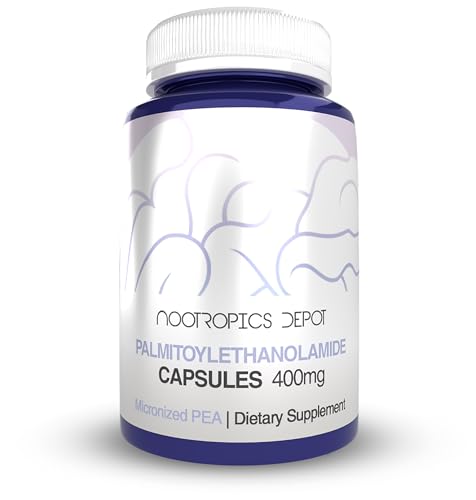
Some brands use patented forms like Levagen+ PEA supplement, which have been used in several randomized trials funded or supplied by Gencor [23][24][9][25][8]. Research the manufacturer’s reputation and look for third-party testing to ensure purity and potency.
Consider the dosage, which can vary widely. Most studies use doses ranging from 300 mg to 1200 mg per day, often split into two or three doses. Starting low and gradually increasing is a common approach.
Remember that effects may not be immediate. Many individuals report noticing changes after several weeks of consistent use, so patience is key.
Conclusion: A Promising Non-Opioid Option
Palmitoylethanolamide (PEA) stands out as a promising natural compound, particularly for neuropathic pain and as an adjunct for chronic inflammatory conditions like fibromyalgia and endometriosis. Its mechanism of action, few reported adverse events, and no interactions reported in trials make it an appealing non-opioid option [21] for many navigating complex pain journeys.
While the evidence is stronger in some areas than others, the continued research, especially into micronized and ultra-micronized forms, reinforces its potential. As with any health decision, approaching PEA with informed optimism, guided by your healthcare provider, is the most empowering path forward.
Frequently Asked Questions About PEA
The effects of PEA are typically not immediate. A 2025 meta-analysis of randomized trials reported significant pain benefits within 4 to 6 weeks of treatment [11]. Patience and consistent dosing are important.
PEA is generally well tolerated, and pooled analyses of PEA trials report no interaction with ongoing therapy, though there is no dedicated clinical interaction trial [21][22]. However, it is always recommended to discuss any new supplement with your doctor or pharmacist, especially if you are on prescription medications for chronic conditions.
Micronized and ultra-micronized PEA have undergone processes to reduce their particle size, which is meant to improve absorption. No head-to-head trial compares micronized with unmicronized PEA, and no published human data describe oral bioavailability [10][7].
No, PEA is not considered addictive. It is a naturally occurring fatty acid amide that works by modulating natural bodily processes, rather than directly stimulating reward pathways or causing physical dependence.
PEA is generally very well-tolerated. Reported side effects are mostly mild, mainly gastrointestinal discomfort and dizziness; in one retrospective fibromyalgia study 36 patients (13.7%) reported adverse events [19][15].
While PEA’s mechanisms suggest benefits for various pain types, its slower onset of action makes it more suitable for managing chronic pain conditions rather than acute pain episodes. For acute pain, other immediate-acting treatments are typically more appropriate.
These statements have not been evaluated by the FDA. This product is not intended to diagnose, treat, cure, or prevent any disease.
References
- Di Stefano V et al. Palmitoylethanolamide: A Multifunctional Molecule for Neuroprotection, Chronic Pain, and Immune Modulation. Biomedicines (2025). PMID 40563990
- Khan A et al. Phospholipid-Based Delivery System Optimizes the Solubility and Systemic Exposure of Palmitoylethanolamide and Supports Clinical Benefits in Chronic Neuropathic Low Back Pain. Biomedicines (2026). PMID 41751279
- LoVerme J et al. The search for the palmitoylethanolamide receptor. Life sciences (2005). PMID 15963531
- Vincenzo Di Marzo et al. Palmitoylethanolamide inhibits the expression of fatty acid amide hydrolase and enhances the anti-proliferative effect of anandamide in human breast cancer cells. Biochemical Journal (2001). PMID 11485574
- Sugiura T et al. Evidence that 2-arachidonoylglycerol but not N-palmitoylethanolamine or anandamide is the physiological ligand for the cannabinoid CB2 receptor. Comparison of the agonistic activities of various cannabinoid receptor ligands in HL-60 cells. The Journal of biological chemistry (2000). PMID 10617657
- Clayton P et al. Palmitoylethanolamide: A Natural Compound for Health Management. International journal of molecular sciences (2021). PMID 34069940
- Rankin L et al. The Basal Pharmacology of Palmitoylethanolamide. International journal of molecular sciences (2020). PMID 33114698
- Emily Pickering et al. A randomized controlled trial assessing the safety and efficacy of palmitoylethanolamide for treating diabetic-related peripheral neuropathic pain. Inflammopharmacology (2022). PMID 36057884
- Briskey D et al. Effectiveness of Palmitoylethanolamide (Levagen+) Compared to a Placebo for Reducing Pain, Duration, and Medication Use during Migraines in Otherwise Healthy Participants-A Double-Blind Randomised Controlled Study. Pharmaceuticals (Basel, Switzerland) (2024). PMID 38399360
- Linda Rankin et al. Palmitoylethanolamide for the treatment of pain: pharmacokinetics, safety and efficacy. British Journal of Clinical Pharmacology (2016). PMID 27220803
- Viña I et al. Meta-Analysis of Palmitoylethanolamide in Pain Management: Addressing Literature Gaps and Enhancing Understanding. Nutrition reviews (2025). PMID 39798151
- Faig-Martí J et al. Use of palmitoylethanolamide in carpal tunnel syndrome: a prospective randomized study. Journal of orthopaedics and traumatology : official journal of the Italian Society of Orthopaedics and Traumatology (2017). PMID 28299455
- Prado MB et al. Efficacy, safety, and tolerability of palmitoylethanolamide in the management of diabetic neuropathic pain: a systematic review and meta-analysis. Journal of diabetes and metabolic disorders (2026). PMID 41664677
- Jan M. Keppel Hesselink et al. Palmitoylethanolamide, a neutraceutical, in nerve compression syndromes: efficacy and safety in sciatic pain and carpal tunnel syndrome. Journal of Pain Research (2015). PMID 26604814
- Schweiger V et al. Ultramicronized Palmitoylethanolamide (um-PEA) as Add-on Treatment in Fibromyalgia Syndrome (FMS): Retrospective Observational Study on 407 Patients. CNS & neurological disorders drug targets (2019). PMID 30827269
- Salaffi F et al. Trajectory of Change in the Severity of Symptoms in Patients with Fibromyalgia over 24 Months: Exploratory Analyses of a Combination Pharmacological Intervention. Journal of personalized medicine (2024). PMID 39063943
- Giugliano E et al. The adjuvant use of N-palmitoylethanolamine and transpolydatin in the treatment of endometriotic pain. European journal of obstetrics, gynecology, and reproductive biology (2013). PMID 23415738
- Cobellis L et al. Effectiveness of the association micronized N-Palmitoylethanolamine (PEA)-transpolydatin in the treatment of chronic pelvic pain related to endometriosis after laparoscopic assessment: a pilot study. European journal of obstetrics, gynecology, and reproductive biology (2011). PMID 21601979
- Wang Y et al. Palmitoylethanolamide in the Treatment of Pain and Its Clinical Application Prospects. Drug design, development and therapy (2025). PMID 40827226
- Mellar P. Davis et al. Treatment of Established Chemotherapy-Induced Neuropathy with N-Palmitoylethanolamide: A Randomized, Double-Blind Phase II Pilot Study. Cancers (2024). PMID 39766143
- Giustino Varrassi Palmitoylethanolamide, a Special Food for Medical Purposes, in the Treatment of Chronic Pain: A Pooled Data Meta-analysis. Pain Physician (2016). PMID 26815246
- Marika Cordaro et al. An Update of Palmitoylethanolamide and Luteolin Effects in Preclinical and Clinical Studies of Neuroinflammatory Events. Antioxidants (2020). PMID 32150935
- Briskey D et al. The Effect of Levagen+ (Palmitoylethanolamide) Supplementation on Symptoms of Allergic Rhinitis-A Double-Blind Placebo-Controlled Trial. Nutrients (2023). PMID 38068797
- Mallard A et al. The Effect of Orally Dosed Levagen+™ (palmitoylethanolamide) on Exercise Recovery in Healthy Males-A Double-Blind, Randomized, Placebo-Controlled Study. Nutrients (2020). PMID 32106527
- Rao A et al. Efficacy of Topical Palmitoylethanolamide (Levagen+) for the Management of Eczema Symptoms: A Double-Blind, Comparator-Controlled, Randomized Clinical Trial. Skin pharmacology and physiology (2023). PMID 38408443
- Melainie Cameron et al. Oral herbal therapies for treating osteoarthritis. Cochrane Database of Systematic Reviews (2014). PMID 24848732
These statements have not been evaluated by the Food and Drug Administration. This information is not intended to diagnose, treat, cure, or prevent any disease. Content is for informational purposes only and is not medical advice; consult a qualified healthcare provider before starting any supplement. As an Amazon Associate we earn from qualifying purchases.