What is Palmitoylethanolamide (PEA)?
Palmitoylethanolamide (PEA) is a naturally occurring fatty acid amide that belongs to the N-acylethanolamine family. It’s produced by the body in response to pain and inflammation, acting as a protective and reparative molecule. Think of it as your body’s own internal pain modulator, working to restore balance when things go awry. PEA is found in various foods, including egg yolks, peanuts, and soybeans, but in relatively small amounts. Its primary role in the body involves a complex interplay within the endocannabinoid system, a vast network of receptors and signaling molecules that regulate numerous physiological processes, including pain, mood, and immunity.How Does PEA Work? The Mechanisms Behind the Relief
PEA’s mechanism of action is multifaceted and quite intriguing. It doesn’t directly bind to cannabinoid receptors in the same way THC or CBD do. Instead, the best-supported target is the nuclear receptor PPAR-alpha. A proposed “entourage effect,” in which PEA raises the activity of other endocannabinoids, rests mostly on cell and animal findings [3][4][5][6].PPAR-alpha Activation
One of PEA’s key actions is its ability to activate peroxisome proliferator-activated receptor alpha (PPAR-alpha). This nuclear receptor plays a crucial role in regulating gene expression involved in inflammation, pain perception, and energy metabolism. By activating PPAR-alpha, PEA can downregulate inflammatory pathways and reduce the production of pro-inflammatory mediators.Mast Cell Stabilization
Mast cells are immune cells that release histamine and other inflammatory substances, contributing significantly to pain and inflammation, particularly in conditions like fibromyalgia and neuropathic pain. PEA was reported in 1993 to down-regulate hyperactive mast cells, a feedback mechanism called ALIA. In a trial of PEA with polydatin in 54 people with irritable bowel syndrome, mucosal mast cell counts did not change, so the mast cell mechanism was not confirmed in humans [7][8].Indirect Endocannabinoid Modulation
While PEA doesn’t directly activate CB1 or CB2 cannabinoid receptors, it acts as a “cannabimimetic” compound. It is proposed to do this by reducing the activity of the enzyme fatty acid amide hydrolase (FAAH), which breaks down anandamide, a key endocannabinoid. In human breast cancer cells PEA cut FAAH expression and activity by roughly 30 to 40%, but this is a cell study, not clinical interaction data [6][5].PEA for Chronic Pain: What the Research Says
PEA has been studied for a wide range of chronic pain conditions, with varying degrees of evidence. It’s important to approach these findings with a critical eye, understanding that “promising” doesn’t always mean “proven.”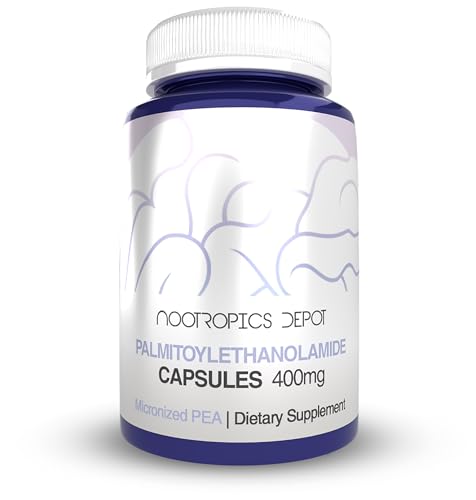
Fibromyalgia Natural Relief
Fibromyalgia is a challenging condition characterized by widespread pain, fatigue, and other symptoms. Early studies on PEA for fibromyalgia, mostly add-on or uncontrolled designs, have shown some positive signals for pain intensity [9][10]. For instance, a 2015 observational study in Pain and Therapy added micronized and ultramicronized PEA on top of duloxetine plus pregabalin in fibromyalgia patients, and reported further reductions in tender points, evoked pain and pain intensity beyond the drug pair alone[1]. That study was observational rather than randomized, so it cannot establish that PEA caused the additional improvement. However, the overall body of evidence is still developing, and larger, more robust randomized controlled trials are needed to confirm these initial findings. Patients often report subjective improvements, which are valuable but require further clinical validation.Endometriosis Pain Supplement
Endometriosis, a condition where tissue similar to the uterine lining grows outside the uterus, causes severe pelvic pain. PEA’s anti-inflammatory and mast cell stabilizing properties make it an attractive candidate for managing this pain. Several studies, including a 2017 meta-analysis in Annali dell’Istituto Superiore di Sanità, have explored PEA, usually co-micronized with trans-polydatin rather than alone, for endometriosis-related pain[2]. These studies suggest PEA may help reduce chronic pelvic pain and dysmenorrhea in women with endometriosis. While the results are encouraging, many studies are relatively small, and more research is needed to establish PEA as a standard treatment option.Neuropathic Pain Non-Opioid
Neuropathic pain, resulting from nerve damage, is notoriously difficult to treat. PEA has garnered considerable attention as a non-opioid option due to its neuroprotective and anti-inflammatory effects. A 2017 meta-analysis in Pain Physician of 8 controlled trials across mixed acute and chronic pain conditions found PEA reduced pain more than inactive controls, but it pooled few trials of often poor quality. Neuropathic results are mixed: a 636-person sciatic pain trial and an uncontrolled study of 30 diabetic neuropathy patients were positive, while a placebo-controlled trial in 61 people with carpal tunnel syndrome found PEA 600 mg/day did not improve clinical or electrophysiological measures [11][12][13][14]. The evidence for neuropathic pain is among the more developed for PEA, but it is mixed: a 2026 analysis of diabetic neuropathic pain found only three studies with 188 patients and very high heterogeneity (I2 = 96%) [15]. It’s often considered an adjunctive therapy, meaning it can be used alongside other treatments to enhance pain relief.PEA Anti-Inflammatory Properties
Beyond specific pain conditions, PEA’s broad anti-inflammatory capabilities are a cornerstone of its potential benefits. In cell and animal work, PEA modulates immune responses and stabilizes mast cells, which is the proposed way it could quiet inflammation that drives chronic pain. This has not been shown directly in humans [7][8]. Most evidence that PEA reduces pro-inflammatory cytokines and protects tissues comes from cell and animal studies, for example mice lacking PPAR-alpha in which PEA failed to relieve nerve-injury pain. Human evidence for a general anti-inflammatory effect is much thinner [4][8].PEA vs. CBD: Understanding the Differences
With the rise of natural pain relief options, PEA is often compared to Cannabidiol (CBD). While both interact with the endocannabinoid system and offer anti-inflammatory and pain-relieving properties, their mechanisms are distinct.
| Feature | Palmitoylethanolamide (PEA) | Cannabidiol (CBD) |
|---|---|---|
| Mechanism of Action | Primarily acts via PPAR-alpha activation, mast cell stabilization, and indirect endocannabinoid modulation (FAAH inhibition). | Primarily acts as an allosteric modulator of CB1 and CB2 receptors, interacts with serotonin receptors, and inhibits FAAH (to a lesser extent than PEA). |
| Source | Naturally produced by the body; found in foods like egg yolks, peanuts. | Derived from the cannabis plant (hemp or marijuana). |
| Psychoactive Effects | Non-psychoactive. | Non-psychoactive (unlike THC). |
| Legal Status | Widely legal as a dietary supplement. | Legal status varies by region and product type (hemp-derived vs. marijuana-derived). |
| Research Landscape | Growing body of evidence for chronic pain, particularly neuropathic. | Extensive research for various conditions, including anxiety, epilepsy, and pain. |
| Drug Interactions | None reported in trials; no dedicated interaction study [16][17]. | Potential for interaction with certain medications metabolized by the CYP450 enzyme system. |
Forms of PEA: Micronized, Ultramicronized, and Levagen+
PEA’s bioavailability, or how well the body absorbs it, can be a challenge due to its fat-soluble nature. To address this, manufacturers have developed different formulations:Micronized PEA
Micronized PEA refers to a form where the PEA particles have been reduced in size; one review reports 2 to 6 micrometres for micronized PEA. Whether this improves absorption compared with standard PEA has not been tested head-to-head [7][20][21]. Many early clinical trials used micronized PEA.Ultramicronized PEA
Ultramicronized PEA takes particle size reduction a step further, often to 0.8 to 2 micrometres according to one review, a figure that is a reviewer claim rather than a measured human result. A pharmacology review found no head-to-head trials of micronized versus unmicronized PEA and no published information on oral bioavailability in people, so superior absorption or effect at lower doses is not shown [7][20][21].Levagen+
Levagen+ is a branded, enhanced absorption form of PEA developed by Gencor Pacific. It utilizes a proprietary LipiSperse® dispersion technology, which helps PEA mix more effectively in the stomach and intestines. This technology aims to increase bioavailability. The maker reports that Levagen+ appears in blood within 30 minutes and peaks within 2 hours, but that comes from its own earlier work, and no head-to-head trial shows greater efficacy at lower doses than standard PEA [22][21]. When choosing a PEA supplement, considering the formulation is important. While all forms of PEA can be beneficial, micronized, ultramicronized, and specifically Levagen+ are often preferred for their enhanced absorption.Safety and Side Effects of PEA
PEA is generally considered safe and well-tolerated, with a low incidence of side effects. This is one of its significant advantages as a non-opioid option for chronic pain. The most commonly reported side effects, which are rare and usually mild, include gastrointestinal discomfort such as stomach upset or nausea. These tend to resolve quickly and are often related to individual sensitivity or dosage. Most human PEA studies were designed to test efficacy rather than safety and were short term, so long-term safety data are thin [19][20]. No dedicated drug interaction trial has been done, but pooled analyses report that PEA was well tolerated and no interaction with other ongoing therapy was reported. Synergy with gabapentin or morphine has only been shown in mice [16][17][18]. However, as with any supplement, it’s always prudent to consult your healthcare provider before starting PEA, especially if you have underlying health conditions or are on prescription drugs.Finding the Right PEA Supplement
When searching for a PEA supplement, quality and formulation matter. Here are a few things to consider when looking on platforms like Amazon: Look for products specifically labeled as “micronized PEA” or “ultramicronized PEA” to ensure better absorption. These terms indicate the particle size has been reduced for improved bioavailability. Consider supplements that explicitly state they contain “Levagen+ PEA.” This branded ingredient uses patented technology designed for enhanced absorption, potentially offering more efficient delivery to your system. Always check for third-party testing or certifications on the product description. This helps ensure the product contains the stated amount of PEA and is free from contaminants.Conclusion: A Promising Non-Opioid Adjunct
Palmitoylethanolamide (PEA) presents a compelling option for those seeking non-opioid adjuncts for chronic pain management. Its natural origin, multifaceted mechanisms of action, and favorable safety profile make it a valuable addition to the evolving landscape of pain relief. While research is ongoing, particularly for conditions like fibromyalgia and endometriosis, the evidence for neuropathic pain is more developed than for other conditions but still mixed [15][14]. PEA is not a “cure-all,” and it’s essential to manage expectations. However, for many navigating the complexities of chronic pain, PEA offers a ray of hope, a naturally occurring molecule that works with the body to reduce inflammation and modulate pain signals. As always, open communication with your healthcare provider is key to determining if PEA is a suitable part of your personal pain management strategy.Frequently Asked Questions About PEA
How long does it take for PEA to start working?
The onset of action for PEA can vary. Some individuals report feeling effects within a few days to a week, while others may require 2-4 weeks of consistent supplementation to notice significant changes. It’s often recommended to take PEA for at least a month to properly assess its effectiveness.
An endometriosis meta-analysis of PEA plus transpolydatin found only four studies, all of poor quality. In a 61-patient randomized trial, pain also fell in the placebo group, and celecoxib reduced pelvic pain more than the PEA plus transpolydatin combination [2][24].
What is the typical dosage for PEA?
Dosages for PEA typically range from 300 mg to 1200 mg per day, often divided into two or three doses. The optimal dosage can depend on the specific condition being addressed and the individual’s response. Always follow the dosage recommendations on the product label or consult your healthcare provider.
Can PEA be taken with other pain medications?
Pooled analyses report no interaction with ongoing therapy, and a review states excellent tolerability even alongside anti-inflammatory, analgesic or anticonvulsant drugs, but no dedicated interaction study exists [16][17]. However, it is crucial to discuss all supplements and medications with your healthcare provider to ensure there are no contraindications for your specific health situation.
Is PEA addictive?
PEA does not act on opioid receptors, so it works differently from opioid medications. Most studies were short and designed for efficacy, so long-term data are thin [19][20].
Are there any specific PEA supplements recommended?
While we do not endorse specific brands, when choosing a PEA supplement, look for products that are micronized or ultramicronized for better absorption. Branded ingredients like Levagen+ are also designed for enhanced bioavailability. Always prioritize products with third-party testing for purity and potency.
Can PEA help with anxiety or sleep?
While PEA’s primary focus is pain and inflammation, its modulatory effects on the endocannabinoid system can indirectly influence mood and sleep. In a placebo-controlled trial of 103 adults with sleep disturbance, 8 weeks of 350 mg daily PEA (Levagen+) did not differ from placebo on sleep quantity or quality, and both groups improved similarly [23]. However, PEA is not primarily marketed or studied as an anxiety or sleep aid.
References
- Del Giorno R et al. Palmitoylethanolamide in Fibromyalgia: Results from Prospective and Retrospective Observational Studies. Pain and therapy (2015). PMID 26334329
- Indraccolo U et al. Micronized palmitoylethanolamide/trans-polydatin treatment of endometriosis-related pain: a meta-analysis. Annali dell’Istituto superiore di sanita (2017). PMID 28617258
- LoVerme J et al. The search for the palmitoylethanolamide receptor. Life sciences (2005). PMID 15963531
- Lorenzo Di Cesare Mannelli et al. Palmitoylethanolamide Is a Disease-Modifying Agent in Peripheral Neuropathy: Pain Relief and Neuroprotection Share a PPAR-Alpha-Mediated Mechanism. Mediators of Inflammation (2013). PMID 23533304
- Clayton P et al. Palmitoylethanolamide: A Natural Compound for Health Management. International journal of molecular sciences (2021). PMID 34069940
- Vincenzo Di Marzo et al. Palmitoylethanolamide inhibits the expression of fatty acid amide hydrolase and enhances the anti-proliferative effect of anandamide in human breast cancer cells. Biochemical Journal (2001). PMID 11485574
- Roncati L et al. Micronized / ultramicronized palmitoylethanolamide (PEA) as natural neuroprotector against COVID-19 inflammation. Prostaglandins & other lipid mediators (2021). PMID 33636368
- Cesare Cremon et al. Randomised clinical trial: the analgesic properties of dietary supplementation with palmitoylethanolamide and polydatin in irritable bowel syndrome. Alimentary Pharmacology & Therapeutics (2017). PMID 28164346
- Schweiger V et al. Ultramicronized Palmitoylethanolamide (um-PEA) as Add-on Treatment in Fibromyalgia Syndrome (FMS): Retrospective Observational Study on 407 Patients. CNS & neurological disorders drug targets (2019). PMID 30827269
- Riccardo Terribili et al. A Fixed Combination of Palmitoylethanolamide and Melatonin (PEATONIDE) for the Management of Pain, Sleep, and Disability in Patients with Fibromyalgia: A Pilot Study. Nutrients (2024). PMID 39203921
- Artukoglu BB et al. Efficacy of Palmitoylethanolamide for Pain: A Meta-Analysis. Pain physician (2017). PMID 28727699
- Jan M. Keppel Hesselink et al. Palmitoylethanolamide, a neutraceutical, in nerve compression syndromes: efficacy and safety in sciatic pain and carpal tunnel syndrome. Journal of Pain Research (2015). PMID 26604814
- Chiara Schifilliti et al. Micronized Palmitoylethanolamide Reduces the Symptoms of Neuropathic Pain in Diabetic Patients. Pain Research and Treatment (2014). PMID 24804094
- Faig-Martí J et al. Use of palmitoylethanolamide in carpal tunnel syndrome: a prospective randomized study. Journal of orthopaedics and traumatology : official journal of the Italian Society of Orthopaedics and Traumatology (2017). PMID 28299455
- Prado MB et al. Efficacy, safety, and tolerability of palmitoylethanolamide in the management of diabetic neuropathic pain: a systematic review and meta-analysis. Journal of diabetes and metabolic disorders (2026). PMID 41664677
- Giustino Varrassi Palmitoylethanolamide, a Special Food for Medical Purposes, in the Treatment of Chronic Pain: A Pooled Data Meta-analysis. Pain Physician (2016). PMID 26815246
- Marika Cordaro et al. An Update of Palmitoylethanolamide and Luteolin Effects in Preclinical and Clinical Studies of Neuroinflammatory Events. Antioxidants (2020). PMID 32150935
- Déciga-Campos M et al. N-palmitoylethanolamide synergizes the antinociception of morphine and gabapentin in the formalin test in mice. The Journal of pharmacy and pharmacology (2023). PMID 36905375
- Earle R. Nestmann Safety of micronized palmitoylethanolamide (microPEA): lack of toxicity and genotoxic potential. Food Science & Nutrition (2016). PMID 28265364
- Linda Rankin et al. Palmitoylethanolamide for the treatment of pain: pharmacokinetics, safety and efficacy. British Journal of Clinical Pharmacology (2016). PMID 27220803
- Rankin L et al. The Basal Pharmacology of Palmitoylethanolamide. International journal of molecular sciences (2020). PMID 33114698
- Briskey D et al. Effectiveness of Palmitoylethanolamide (Levagen+) Compared to a Placebo for Reducing Pain, Duration, and Medication Use during Migraines in Otherwise Healthy Participants-A Double-Blind Randomised Controlled Study. Pharmaceuticals (Basel, Switzerland) (2024). PMID 38399360
- Rao A et al. Palmitoylethanolamide for sleep disturbance. A double-blind, randomised, placebo-controlled interventional study. Sleep science and practice (2021). PMID 34522787
- Cobellis L et al. Effectiveness of the association micronized N-Palmitoylethanolamine (PEA)-transpolydatin in the treatment of chronic pelvic pain related to endometriosis after laparoscopic assessment: a pilot study. European journal of obstetrics, gynecology, and reproductive biology (2011). PMID 21601979
These statements have not been evaluated by the Food and Drug Administration. This information is not intended to diagnose, treat, cure, or prevent any disease. Content is for informational purposes only and is not medical advice; consult a qualified healthcare provider before starting any supplement. As an Amazon Associate we earn from qualifying purchases.