For decades, nonsteroidal anti-inflammatory drugs (NSAIDs) like ibuprofen and naproxen have been the default over-the-counter choice for inflammatory pain, from joint aches and back pain to headaches and recurring pelvic discomfort. They work, they are widely available, and most people tolerate short-term use reasonably well. The problem surfaces when pain becomes chronic: prolonged NSAID use carries well-documented risks to the gastrointestinal tract, kidneys, and cardiovascular system, leaving many people searching for alternatives with a better long-term profile.
Palmitoylethanolamide (PEA) is a fatty acid amide the human body produces naturally to help regulate pain and inflammation. Over the past two decades it has attracted serious scientific interest as a dietary supplement, with researchers examining whether it might offer meaningful relief through mechanisms entirely distinct from those of NSAIDs. This article compares the two approaches honestly (covering how each works, what the clinical evidence actually shows, safety findings, and practical formulation considerations) without overstating what is currently known.
Key Takeaways
- NSAIDs block COX enzymes effectively but carry gastrointestinal, cardiovascular, and renal risks that increase meaningfully with long-term use.
- PEA works through a distinct mechanism, PPAR-α nuclear receptor activation and mast cell stabilization, that does not involve COX inhibition and does not engage opioid receptors.
- One small triple-blind trial in 24 people with temporomandibular joint inflammatory pain found that 2 weeks of PEA reduced pain more than ibuprofen[1], though large head-to-head trials are still lacking [1].
- Available clinical data report few adverse events with PEA[2], though most studies were short and designed to test efficacy rather than safety [2][9].
- Formulation is critical: direct comparisons of micronized or ultramicronized PEA with pure PEA are lacking [3], so product labeling should be checked carefully before purchasing.
How NSAIDs Reduce Pain, and at What Cost
NSAIDs work primarily by inhibiting cyclooxygenase (COX) enzymes, COX-1 and COX-2, which synthesize prostaglandins: lipid compounds that drive pain signaling and inflammation at injury sites. By blocking prostaglandin production, NSAIDs reduce swelling, lower fever, and blunt pain perception. This mechanism is effective and deeply understood after decades of use.
The same mechanism explains many of their drawbacks. COX-1 protects the stomach lining; suppressing it raises the risk of gastrointestinal irritation, ulcers, and bleeding. Sustained COX-2 inhibition shifts arachidonic acid metabolism in ways that can elevate cardiovascular risk over time. Kidney function may also be affected, particularly in older adults or those with pre-existing renal conditions. Regulatory agencies in multiple countries have strengthened NSAID warning labels over the past two decades precisely because these risks accumulate with long-term use: making the search for alternatives with different mechanisms a legitimate clinical priority.
What PEA Is and How It Works
Palmitoylethanolamide is an endogenous fatty acid amide: one the body assembles from membrane phospholipids in response to cellular stress and tissue damage. Its primary anti-inflammatory action is thought to occur through activation of the PPAR-α (peroxisome proliferator-activated receptor alpha) nuclear receptor, a transcription factor that down-regulates pro-inflammatory gene expression. PEA also stabilizes mast cells, reducing the release of histamine and other inflammatory mediators that amplify pain signaling. Critically, it does not engage opioid receptors and does not inhibit COX enzymes: the exact pathway responsible for most NSAID-associated side effects.
Research note: A review states that common adverse reactions to PEA are gastrointestinal discomfort and dizziness, usually mild and far less frequent than the gastrointestinal bleeding risk of NSAIDs [17].
An important clue about PEA’s role comes from research observing that people living with chronic pain may have altered levels of endogenous anti-inflammatory lipids including PEA. A case-control study found alterations in these lipid mediators in women with chronic widespread pain compared to pain-free controls[4][10]. Whether supplementation could restore a deficit is unclear, because blood PEA was not lower in these studies: in a meta-analysis it was slightly higher in chronic widespread pain (P = 0.05), and in a small study it was no different from healthy volunteers in chronic low back pain [10][11].

Clinical Evidence: What Do Trials Actually Show?
Head-to-head comparisons between PEA and NSAIDs are limited in number, and this is an important caveat to keep front of mind. One published trial placed PEA directly alongside a nonsteroidal anti-inflammatory drug in patients with temporomandibular joint inflammatory pain. The study, a small triple-blind trial in 24 people over 2 weeks, found that PEA reduced temporomandibular joint pain significantly more than ibuprofen[1]. While this is a single trial in a specific pain condition, it represents one of the few instances where PEA has been tested directly against an NSAID in a controlled setting.
A scoping review protocol mapping the accumulating clinical evidence on PEA identified a growing body of research spanning neuropathic pain, osteoarthritis, pelvic pain, and other conditions [5]. The breadth of conditions being studied signals serious scientific interest, though the evidence base remains heterogeneous in quality and study size: meaningfully different from the decades of large-scale trial data underpinning approved NSAIDs. Treating PEA as a well-established substitute for NSAIDs would overstate current knowledge; treating it as a promising option backed by early-to-intermediate clinical evidence is more accurate.
A second head-to-head comparison, in 94 people with tension headache, found that 90% of PEA-treated headaches and 97% of ibuprofen-treated headaches were reduced by the end of the four-hour window, which was not a significant difference. That trial used a branded PEA formulation and its authors include staff of the maker [16].
Safety Profile: What Clinical Trials Report
One of PEA’s distinguishing characteristics is its tolerability record. Trials report few adverse events with PEA, but most were short and designed to test efficacy rather than safety, so long-term tolerability is less well established [2][9]. A pharmacokinetic and clinical safety review concluded that PEA has a favorable tolerability profile, with no serious adverse events identified across the studies examined [2]. This is particularly relevant when comparing long-term use scenarios, where NSAID-related risks to the gut, kidneys, and cardiovascular system accumulate over months and years.
PEA has been studied as an adjunctive agent in populations often considered medically sensitive. A randomized, double-blind, placebo-controlled trial testing PEA as an add-on therapy in major depressive disorder reported good tolerability over the study period [6]. A separate randomized controlled trial investigating PEA as adjunctive therapy in children with autism spectrum disorder similarly found an acceptable safety profile [7]. These are not pain trials, and the depression study was a small add-on trial with short follow-up, so they say little about long-term tolerability or drug interactions, while also underscoring that [6] anyone on immunosuppressants, anticoagulants, or chemotherapy should consult a physician before adding any supplement.
An additional finding with potential clinical relevance is that PEA appears to delay the development of tolerance to morphine in research models [8]. This raises the hypothesis that PEA might eventually be studied as a dose-sparing adjunct in opioid-based pain management, though this application has not yet been established in clinical practice.
Formulation Matters: Micronized PEA Is Not the Same as Standard PEA
PEA is poorly soluble in water, which is thought to limit absorption from standard powder formulations, although no human absorption data have been published [12]. Micronized and ultramicronized formulations reduce PEA particles to a fraction of their original size, but direct comparisons with pure PEA are lacking [3]. Certain additives used in some formulations may also influence performance.
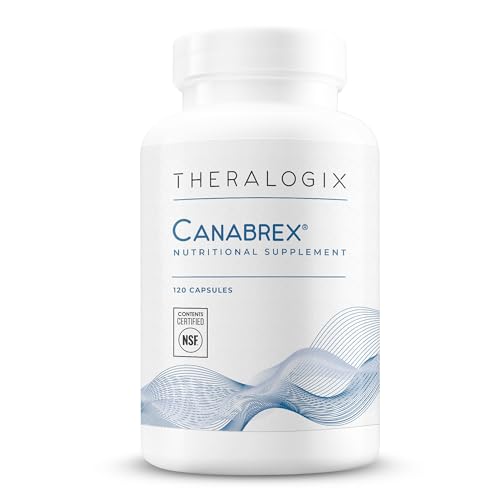
This is a practical point worth understanding before comparing products. A supplement label stating ‘PEA 600 mg’ does not indicate whether the PEA is standard, micronized, or ultramicronized, and that distinction matters when comparing products. No published human data compare how well each form is absorbed, and no head-to-head trial of micronized against unmicronized PEA exists, so claims that one absorbs better are unproven. Many of the trials reporting favorable results used micronized or ultramicronized formulations [12][2]. When evaluating products, look for explicit formulation labeling rather than milligram dose alone.
How PEA and NSAIDs Might Fit Together, or Separately
PEA is not a replacement for NSAIDs in every situation. For acute injuries, post-surgical inflammation, or conditions requiring rapid, potent anti-inflammatory action, NSAIDs remain the evidence-backed standard of care. PEA’s proposed strength lies in chronic or recurring inflammatory pain where cumulative NSAID exposure is a concern: people managing persistent joint discomfort, fibromyalgia-like conditions, or recurring pelvic pain who want to reduce their NSAID reliance.
Because PEA does not share NSAIDs’ mechanism of action, it can in principle be used alongside other analgesics without duplicating COX inhibition. Some researchers have suggested it may serve well as a complementary strategy rather than a direct swap. That said, anyone managing chronic pain should discuss any supplement addition with a treating physician, especially if they are already taking prescription analgesics, anticoagulants, or medications with known interaction profiles.
🛒 Where to Buy Palmitoylethanolamide (PEA)
- Wellness Resources PEA Ultra with Levagen+
capsules, 300 mg PEA (as Levagen+) per serving: Levagen+ with LipiSperse, a branded PEA ingredient marketed for solubility and absorption - Nootropics Depot Palmitoylethanolamide (PEA) Capsules
capsules, 400 mg micronized PEA per capsule: two or three capsules reach the 600 to 1,200 mg daily range used in trials - Liftmode Palmitoylethanolamide (PEA) Powder
powder, 400 mg per measured scoop: Powder form allows flexible dosing and is significantly cheaper per gram for long-term daily users
As an Amazon Associate we earn from qualifying purchases. PEA quality depends on particle size more than price. Most clinical research used micronized or ultramicronized material, so prefer a product that states its particle size grade or names a branded ingredient such as Levagen+, and check the daily serving reaches the 600 to 1,200 mg used in trials. A label reading only palmitoylethanolamide, with no particle size disclosure, may be standard crystalline powder, but no published human data show how much any PEA form is absorbed.
A Note on the Evidence
PEA is sold as a dietary supplement and is not FDA-approved to diagnose, treat, cure, or prevent any disease; the clinical evidence, while encouraging, consists largely of small and medium-sized trials that do not yet match the scale of data behind approved NSAIDs. Individuals managing serious or chronic inflammatory conditions, or those taking prescription medications including immunosuppressants, anticoagulants, or chemotherapy agents, should consult a qualified healthcare provider before adding PEA to their regimen. This article is informational only and does not constitute medical advice.
Frequently Asked Questions
Is PEA as effective as ibuprofen or naproxen for pain?
Direct comparisons are limited. One trial found PEA produced meaningful pain reduction in temporomandibular joint inflammatory pain when tested alongside an NSAID [1], and a scoping review identified a growing body of clinical evidence across multiple pain conditions [5]. However, PEA has not been evaluated in the large Phase III trials that define NSAID labeling, so calling it a proven equal substitute would overstate current evidence. For some individuals and pain types it may prove a useful alternative or complement; the research is still developing.

Can I take PEA and ibuprofen at the same time?
PEA and NSAIDs act through different pathways, and pooled analyses of trials report no interaction with ongoing therapy, but there is no dedicated interaction trial. However, combining supplements with medications always warrants a conversation with a pharmacist or physician, particularly if you are managing a chronic condition, are older, or take other prescription drugs. This applies to PEA as with any supplement.[13]
How long does PEA take to produce noticeable effects?
Unlike NSAIDs, which can reduce pain within hours by rapidly blocking prostaglandin synthesis, PEA’s effects are thought to build over time through gradual modulation of inflammatory signaling pathways. Clinical trials have generally studied PEA over periods of weeks to months, and the pharmacokinetic review of available data reflects this longer timeframe [2]. People considering PEA should set realistic expectations about onset rather than anticipating the near-immediate relief an NSAID can provide.
Are there people who should not take PEA?
PEA appears well tolerated in healthy adults across available clinical data [2]. Individuals on immunosuppressants, anticoagulants, or chemotherapy should consult a physician before use, as these populations were not well represented in published trials. Pregnant and breastfeeding individuals should also seek medical guidance, given the absence of safety data for those groups. PEA is a dietary supplement, not an FDA-approved medication, so it does not carry a formally adjudicated safety label.
Does PEA address the underlying inflammatory process or just reduce pain perception?
PEA is thought to act upstream of pain signaling. Its main receptor is PPAR-α, which regulates genes involved in inflammatory signaling, and mast cell effects are proposed, although much of this comes from lab and animal work. Research has observed that endogenous anti-inflammatory lipids including PEA were higher in women with chronic widespread pain than in healthy controls [14][15][4], which the authors suggest may reflect systemic inflammation. This contrasts with NSAID action, which overrides an enzyme also needed for gastric mucosal protection: one reason NSAID use is linked to GI side effects.
Does the type of PEA product I buy actually matter?
Possibly, but the evidence is thin. Standard PEA has poor water solubility, yet there are no published human data on its oral absorption; direct comparisons of micronized and ultramicronized formulations with pure PEA are lacking, and certain additives in some products may further affect performance [12][3]. The clinical trials that have shown favorable outcomes predominantly used ultramicronized PEA. A product that does not specify its particle size or formulation type may not replicate the absorption profile used in those studies.
References
- Marini I et al. Palmitoylethanolamide versus a nonsteroidal anti-inflammatory drug in the treatment of temporomandibular joint inflammatory pain. Journal of orofacial pain (2012). PMID 22558609
- Gabrielsson L et al. Palmitoylethanolamide for the treatment of pain: pharmacokinetics, safety and efficacy. British journal of clinical pharmacology (2016). PMID 27220803
- Kriek R et al. Palmitoylethanolamide: problems regarding micronization, ultra-micronization and additives. Inflammopharmacology (2014). PMID 24647619
- Stensson N et al. Alterations of anti-inflammatory lipids in plasma from women with chronic widespread pain – a case control study. Lipids in health and disease (2017). PMID 28606089
- Passavanti MB et al. Clinical applications of palmitoylethanolamide in pain management: protocol for a scoping review. Systematic reviews (2019). PMID 30621775
- Ghazizadeh-Hashemi M et al. Palmitoylethanolamide as adjunctive therapy in major depressive disorder: A double-blind, randomized and placebo-controlled trial. Journal of affective disorders (2018). PMID 29486338
- Khalaj M et al. Palmitoylethanolamide as adjunctive therapy for autism: Efficacy and safety results from a randomized controlled trial. Journal of psychiatric research (2018). PMID 29807317
- Di Cesare Mannelli L et al. Delay of morphine tolerance by palmitoylethanolamide. BioMed research international (2015). PMID 25874232
- Earle R. Nestmann Safety of micronized palmitoylethanolamide (microPEA): lack of toxicity and genotoxic potential. Food Science & Nutrition (2016). PMID 28265364
- Kurlyandchik I et al. Plasma and interstitial levels of endocannabinoids and N-acylethanolamines in patients with chronic widespread pain and fibromyalgia: a systematic review and meta-analysis. Pain reports (2022). PMID 36381652
- Darmani NA et al. Involvement of the cannabimimetic compound, N-palmitoyl-ethanolamine, in inflammatory and neuropathic conditions: review of the available pre-clinical data, and first human studies. Neuropharmacology (2005). PMID 15910891
- Rankin L et al. The Basal Pharmacology of Palmitoylethanolamide. International journal of molecular sciences (2020). PMID 33114698
- Giustino Varrassi Palmitoylethanolamide, a Special Food for Medical Purposes, in the Treatment of Chronic Pain: A Pooled Data Meta-analysis. Pain Physician (2016). PMID 26815246
- LoVerme J et al. The search for the palmitoylethanolamide receptor. Life sciences (2005). PMID 15963531
- Lorenzo Di Cesare Mannelli et al. Palmitoylethanolamide Is a Disease-Modifying Agent in Peripheral Neuropathy: Pain Relief and Neuroprotection Share a PPAR-Alpha-Mediated Mechanism. Mediators of Inflammation (2013). PMID 23533304
- David R. Briskey et al. Efficacy of Palmitoylethanolamide (Levagen+TM) Compared to Ibuprofen for Reducing Headache Pain Severity and Duration in Healthy Adults: A Double-Blind, Parallel, Randomized Clinical Trial. Food and Nutrition Sciences (2022). doi:10.4236/fns.2022.137050
- Wang Y et al. Palmitoylethanolamide in the Treatment of Pain and Its Clinical Application Prospects. Drug design, development and therapy (2025). PMID 40827226
These statements have not been evaluated by the Food and Drug Administration. This information is not intended to diagnose, treat, cure, or prevent any disease. Content is for informational purposes only and is not medical advice; consult a qualified healthcare provider before starting any supplement. As an Amazon Associate we earn from qualifying purchases.