Diabetic peripheral neuropathy affects up to half of people with long-standing diabetes, producing chronic burning pain, electric-shock sensations, and numbness that can profoundly erode quality of life. Blood sugar control remains the cornerstone of prevention, but it rarely reverses established neuropathic pain: leaving many patients relying on medications such as gabapentinoids, antidepressants, and opioids that carry their own significant side-effect burdens.
Palmitoylethanolamide (PEA) is an endogenous fatty acid amide produced naturally by human tissues in response to cellular stress and injury. As a dietary supplement, it has attracted growing research interest for neuropathic pain conditions, including diabetic neuropathy, because it appears to modulate neuroinflammation and peripheral sensitization through mechanisms that are distinct from both opioids and conventional analgesics. This article summarizes the available clinical evidence, proposed mechanisms, and practical considerations for people exploring PEA as a complementary approach.
Key Takeaways
- PEA is an endogenous fatty acid amide that may reduce neuropathic pain through PPAR-α nuclear receptor activation and mast cell stabilization, without engaging opioid receptors.
- Serum lipid mediator profiling shows the endocannabinoid system is altered in painful versus painless diabetic neuropathy, providing biological rationale for PEA supplementation [1].
- An uncontrolled study of 30 patients and one placebo-controlled trial of 70 patients reported lower pain scores with PEA in diabetic neuropathy[2][3], and a 2026 review found only three studies with 188 patients and very high heterogeneity [2][3][10].
- Combination formulations pairing PEA with alpha-lipoic acid, B vitamins, and antioxidants have been studied for up to six months with a favorable safety profile, though isolating PEA’s individual contribution is difficult [4].
- The evidence base is growing but still limited by small study sizes and short durations; PEA is best viewed as a potential adjunct to, not a replacement for, standard glycemic management and medical care.
Why Glycemic Control Alone Is Often Not Enough
Tight glycemic management is rightly the first-line intervention for slowing the progression of diabetic neuropathy, but once peripheral nerve damage is established, pain rarely resolves with glucose lowering alone. Standard pharmacological options (gabapentin, pregabalin, duloxetine, tricyclic antidepressants) are modestly effective at best and carry risks including sedation, weight gain, and in the case of opioids, dependence.
A 2023 review of emerging therapies for painful diabetic neuropathy noted that the unmet therapeutic need remains substantial and that novel treatment targets, including lipid-based signaling pathways, are actively under investigation [5]. PEA falls squarely within this broader search for analgesic options that work through mechanisms orthogonal to existing drugs, potentially complementing rather than replacing standard care.
PEA's Proposed Mechanisms in Neuropathic Pain
PEA is thought to reduce neuropathic pain through several complementary pathways. Its primary proposed mechanism involves activation of peroxisome proliferator-activated receptor alpha (PPAR-α), a nuclear receptor that suppresses the expression of pro-inflammatory genes in peripheral tissues and the spinal cord. By reducing the local inflammatory environment around damaged nerves, PPAR-α activation may blunt the peripheral sensitization processes that amplify neuropathic pain signals over time.
Research note: As a secondary outcome in diabetic neuropathy patients, DASS-21 depression scores fell significantly more on PEA than placebo (P = 0.03), but anxiety and stress scores did not [3].
A second key mechanism is mast cell stabilization. Mast cells accumulate around injured peripheral nerves and release histamine, cytokines, and proteases that perpetuate neuroinflammation and sensitize nociceptors. PEA appears to reduce mast cell degranulation and local recruitment, potentially interrupting this inflammatory cycle. Preclinical and early clinical evidence supporting these anti-inflammatory and neuroprotective roles was reviewed in a 2005 pharmacological paper that remains foundational to understanding how PEA behaves in both inflammatory and neuropathic conditions [6].
Animal research in a diabetic neuropathy model has additionally implicated endovanilloid signaling in the rostroventromedial medulla, a descending pain-modulation region, suggesting that the broader lipid mediator system, of which PEA is a part, influences how the brain processes and amplifies neuropathic pain signals in diabetic states [7]. PEA does not directly bind opioid receptors or cannabinoid CB1/CB2 receptors at pharmacological doses, though it may modulate the endocannabinoid system indirectly through what researchers sometimes call an ‘entourage effect.’
The Endocannabinoid System and Diabetic Neuropathy
One reason researchers have focused on PEA in diabetic neuropathy is growing evidence that the endocannabinoid and related lipid-mediator systems are dysregulated in this condition. A 2024 study published in Pain measured serum levels of endocannabinoids and structurally related lipids, including PEA itself, in patients with painful versus painless diabetic neuropathy, finding that endogenous lipid mediator profiles differed meaningfully between the two groups [1]. While this study does not establish that supplemental PEA corrects these differences, it reinforces the biological plausibility of targeting this system therapeutically.
These findings suggest that the pain experienced in diabetic neuropathy may partly reflect a deficit or imbalance in the body’s own lipid-based analgesic signaling: a gap that exogenous PEA might help partially address. This kind of mechanistic rationale is important context for interpreting the clinical trial results below.
Clinical Evidence: What Human Trials Have Found
A 2014 uncontrolled study gave micronized PEA 300 mg twice daily to 30 patients with painful diabetic neuropathy and reported significant pain reductions with no serious adverse events[2]. With no control group, it cannot separate PEA from placebo response [2]. The use of micronized PEA is relevant here: standard PEA has poor water solubility, and particle-size reduction is believed to improve dissolution and absorption. This is why many commercial and research-grade formulations specify ultramicronized (um-PEA) or micronized (m-PEA) forms.
The pooled result rests on 3 studies and 188 patients, and the studies disagree widely
3 studies, 188 patients
A systematic review of PEA in diabetic neuropathic pain found only 3 studies with 188 patients.
I2 = 96%
Heterogeneity was very high (I2 = 96%), meaning the studies differed a great deal from one another.
A big pooled figure
The pooled pain reduction was reported as SMD -5.44 (CI -8.47 to -0.41). With so few, mixed studies, treat it cautiously.
PEA may help diabetic nerve pain, but the pooled evidence is thin and inconsistent.
One systematic review and meta-analysis in 188 patients with diabetic neuropathic pain; it does not replace a large, well-controlled trial. Source: Prado et al., Journal of diabetes and metabolic disorders 2026.
Embed this chart
Free to reuse on your site. Copy the code below; please keep the credit link.
A more rigorous randomized controlled trial published in Inflammopharmacology in 2022 tested 600 mg/day of PEA (Levagen+) against placebo for 8 weeks in 70 adults with diabetic peripheral neuropathic pain. The PEA product was supplied by the trial sponsor, and the authors noted a significant placebo response, although PEA still differed significantly from placebo[3]. RCT-level evidence is particularly important in neuropathic pain research because placebo responses can be substantial.
The wider picture is thinner than a single trial suggests. A 2026 systematic review of PEA in diabetic neuropathic pain found only three studies with 188 patients, and its pooled pain reduction came with very high heterogeneity (I2 = 96%), so the pooled figure should be treated cautiously [10][5].
A 2026 retrospective cohort study examined a combined PEA and baicalin formulation in people with type 2 diabetes, reporting changes not only in self-reported pain but also in sudomotor function: an objective measure of small-fiber autonomic nerve integrity [8]. The product combined PEA with baicalin, so the result is not about PEA alone, and the authors stress that baseline imbalance and confounding by indication preclude causal conclusions [8].
Combination Approaches: PEA Alongside Other Neuroprotective Nutrients
PEA is increasingly studied as part of multicomponent formulations that also include nutrients with established or emerging roles in nerve health. A 2024 Nutrients study evaluated a combination containing PEA, superoxide dismutase, alpha-lipoic acid, B vitamins (B1, B6, B12), vitamin E, magnesium, zinc, and nicotinamide over six months in people with diabetic neuropathy, reporting on both efficacy and safety outcomes [4]. The rationale is synergistic: alpha-lipoic acid targets oxidative stress in peripheral nerves, B vitamins support myelin and axonal integrity, and PEA addresses neuroinflammation: potentially engaging multiple pathways that contribute to neuropathic pain simultaneously.

Such combination designs make it difficult to attribute observed benefits to PEA alone, but they reflect how comprehensive nutritional support is often approached in clinical practice. The six-month duration of the 2024 study is also notable, as it extends well beyond the short treatment windows of many earlier trials and provides preliminary data on tolerability with sustained use.
Safety Profile and Broader Context
Across the studies conducted to date, PEA has not produced major safety signals. A 2024 review of novel analgesic approaches for neuropathic pain in serious illness, including chemotherapy-induced peripheral neuropathy, noted PEA among compounds with a favorable tolerability profile worth considering in medically vulnerable populations [9]. This context is meaningful because patients with complex medical regimens represent the highest bar for supplement safety.
Reported side effects in trials are mostly mild gastrointestinal discomfort and dizziness, and most studies were short and designed to test efficacy rather than safety, so long-term safety data are thin [11][12][13]. However, the existing evidence base remains limited by relatively small sample sizes, variable study durations, and heterogeneous outcome measures. Larger, well-powered trials with standardized endpoints are still needed before definitive efficacy claims can be made for diabetic neuropathy specifically.
🛒 Where to Buy Palmitoylethanolamide (PEA)
- Wellness Resources PEA Ultra with Levagen+
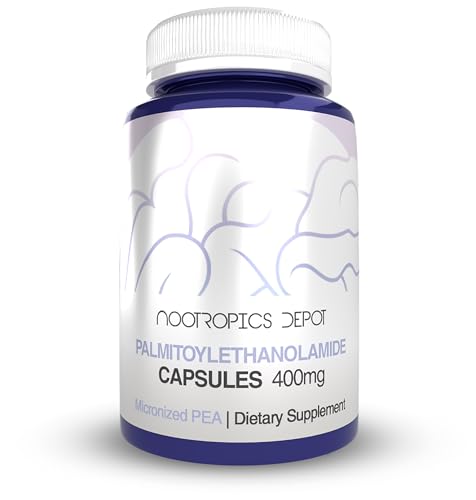
capsules, 300 mg PEA (as Levagen+) per serving: Levagen+ with LipiSperse, a branded PEA ingredient marketed for solubility and absorption - Nootropics Depot Palmitoylethanolamide (PEA) Capsules
capsules, 400 mg micronized PEA per capsule: two or three capsules reach the 600 to 1,200 mg daily range used in trials - Liftmode Palmitoylethanolamide (PEA) Powder
powder, 400 mg per measured scoop: Powder form allows flexible dosing and is significantly cheaper per gram for long-term daily users
As an Amazon Associate we earn from qualifying purchases. PEA quality depends on particle size more than price. Most clinical research used micronized or ultramicronized material, so prefer a product that states its particle size grade or names a branded ingredient such as Levagen+, and check the daily serving reaches the 600 to 1,200 mg used in trials. A label reading only palmitoylethanolamide, with no particle size disclosure, may be standard crystalline powder, but no published human data show how much any PEA form is absorbed.
A Note on the Evidence
The clinical evidence supporting PEA for diabetic neuropathy is promising but still limited by relatively small sample sizes, short study durations, and heterogeneous trial designs; it should not replace standard medical management, glycemic control, or prescribed medications. Individuals on immunosuppressants, anticoagulants, or chemotherapy should consult a physician before use, as PEA’s interactions with these agents have not been systematically evaluated. This article is informational only and does not constitute medical advice.
Frequently Asked Questions
How does PEA differ from CBD for neuropathic pain?
PEA works primarily through PPAR-α nuclear receptors and mast cell stabilization rather than direct cannabinoid receptor binding, and it is not derived from cannabis. CBD interacts with the endocannabinoid system more directly through CB1/CB2 receptors and other targets. Preclinical and clinical review data for PEA’s role in neuropathic conditions predate the current CBD research wave by decades [6]. Both are non-intoxicating, but they have distinct molecular profiles and regulatory classifications.
Does PEA lower blood sugar or treat the underlying cause of diabetic neuropathy?
There is no established evidence that PEA lowers blood glucose or modifies the metabolic basis of diabetes. Its studied benefits relate specifically to pain signaling and neuroinflammation. Standard diabetes management (medications, dietary changes, and physical activity) remains essential for glycemic control and slowing nerve damage progression. PEA, if used, would be an adjunct targeting neuropathic pain symptoms rather than the underlying metabolic disease.

What form of PEA should I look for in a supplement?
Clinical research in diabetic neuropathy has primarily used micronized or ultramicronized PEA, including in the randomized controlled trial published in Inflammopharmacology [3]. Standard-crystalline PEA has poor water solubility that may limit absorption; particle-size reduction is believed to improve bioavailability. Look for labels that specify ‘micronized’ or ‘ultramicronized’ PEA if you are trying to match the formulations studied in trials.
How long does it take for PEA to affect neuropathic pain?
Study protocols vary, and there is no single definitive answer. Some trial outcomes were assessed at four to eight weeks, while the six-month combination study suggests sustained use may be needed to observe meaningful changes [4]. Neuropathic pain in general responds slowly to most interventions; realistic expectations and patience are important. Discuss a reasonable trial duration and evaluation plan with a healthcare provider before starting.
Can PEA affect objective nerve function, not just pain perception?
This is an emerging question. A 2026 retrospective cohort study in type 2 diabetes patients using a PEA and baicalin combination reported changes in sudomotor function, a measure of autonomic small-fiber nerve activity, alongside self-reported pain reductions [8]. Objective neurophysiological endpoints are more meaningful than pain scores alone, but this study was retrospective and uncontrolled. Prospective trials with standardized nerve-function measurements are needed to confirm whether PEA influences structural nerve outcomes.
Is PEA safe to take alongside diabetes medications?
PEA has shown a favorable tolerability profile in clinical trials, with no major adverse events attributed to it in the studies reviewed here. However, people with diabetes often take multiple medications (anticoagulants, immunosuppressants, or other drugs with narrow therapeutic windows) and PEA has not been systematically studied in combination with all of these. Anyone managing a complex regimen should consult their physician or pharmacist before adding PEA. PEA is a dietary supplement, not FDA-approved to diagnose, treat, cure, or prevent any disease.
References
- Bäckryd E et al. Serum levels of endocannabinoids and related lipids in painful vs painless diabetic neuropathy: results from the Pain in Neuropathy Study. Pain (2024). PMID 37578507
- Schifilliti C et al. Micronized palmitoylethanolamide reduces the symptoms of neuropathic pain in diabetic patients. Pain research and treatment (2014). PMID 24804094
- Pickering E et al. A randomized controlled trial assessing the safety and efficacy of palmitoylethanolamide for treating diabetic-related peripheral neuropathic pain. Inflammopharmacology (2022). PMID 36057884
- Didangelos T et al. Efficacy and Safety of the Combination of Palmitoylethanolamide, Superoxide Dismutase, Alpha Lipoic Acid, Vitamins B12, B1, B6, E, Mg, Zn and Nicotinamide for 6 Months in People with Diabetic Neuropathy. Nutrients (2024). PMID 39339645
- Basem JI et al. A Brief Review on the Novel Therapies for Painful Diabetic Neuropathy. Current pain and headache reports (2023). PMID 37392335
- Darmani NA et al. Involvement of the cannabimimetic compound, N-palmitoyl-ethanolamine, in inflammatory and neuropathic conditions: review of the available pre-clinical data, and first human studies. Neuropharmacology (2005). PMID 15910891
- Silva M et al. Endovanilloid control of pain modulation by the rostroventromedial medulla in an animal model of diabetic neuropathy. Neuropharmacology (2016). PMID 26965218
- Scibetta S et al. Palmitoylethanolamide/Baicalin Supplementation and Changes in Pain and Sudomotor Function in Type 2 Diabetes: A Retrospective Matched Real-World Cohort Study. Nutrients (2026). PMID 42356281
- Davis MP et al. Novel drug treatments for pain in advanced cancer and serious illness: a focus on neuropathic pain and chemotherapy-induced peripheral neuropathy. Palliative care and social practice (2024). PMID 39086469
- Prado MB et al. Efficacy, safety, and tolerability of palmitoylethanolamide in the management of diabetic neuropathic pain: a systematic review and meta-analysis. Journal of diabetes and metabolic disorders (2026). PMID 41664677
- Wang Y et al. Palmitoylethanolamide in the Treatment of Pain and Its Clinical Application Prospects. Drug design, development and therapy (2025). PMID 40827226
- Earle R. Nestmann Safety of micronized palmitoylethanolamide (microPEA): lack of toxicity and genotoxic potential. Food Science & Nutrition (2016). PMID 28265364
- Linda Rankin et al. Palmitoylethanolamide for the treatment of pain: pharmacokinetics, safety and efficacy. British Journal of Clinical Pharmacology (2016). PMID 27220803
These statements have not been evaluated by the Food and Drug Administration. This information is not intended to diagnose, treat, cure, or prevent any disease. Content is for informational purposes only and is not medical advice; consult a qualified healthcare provider before starting any supplement. As an Amazon Associate we earn from qualifying purchases.