Chronic low back pain is one of the leading causes of disability worldwide, and standard pharmacological options — NSAIDs, opioids, muscle relaxants — carry well-documented risks with prolonged use. This has driven sustained interest in compounds that act on pain pathways through different mechanisms. Palmitoylethanolamide (PEA) is an endogenous fatty acid amide the body produces naturally in response to cellular stress, and a growing body of clinical research is examining whether supplemental PEA can meaningfully reduce chronic musculoskeletal and neuropathic back pain.
This article reviews the available clinical evidence for PEA in chronic low back pain, explains its proposed biological mechanisms in plain language, and is transparent about where the evidence base remains thin. PEA is sold as a dietary supplement and is not approved by the FDA to diagnose, treat, cure, or prevent any disease. Nothing in this article constitutes medical advice.
Key Takeaways
- PEA acts through PPAR-α activation and mast cell stabilization — mechanisms entirely distinct from opioids and NSAIDs — making it a non-addictive option studied for chronic pain management.
- A 2022 meta-analysis found statistically significant pain reductions across musculoskeletal and neuropathic pain categories, which encompass common chronic low back pain presentations [1].
- Studies combining PEA with rehabilitative therapy, injection procedures, or other supplements report improvements in pain and function, but PEA’s independent contribution is difficult to isolate in these designs.
- Ultramicronized and water-dispersible formulations are the best-studied; standard PEA powder has considerably less direct clinical support.
- PEA is generally well-tolerated in trials to date but is not FDA-approved to treat any condition; people on immunosuppressants, anticoagulants, or chemotherapy should consult a physician before use.
How PEA Is Thought to Reduce Pain and Neuroinflammation
PEA belongs to the fatty acid ethanolamide family and is synthesized on demand by neurons, immune cells, and other tissue types under stress. Its primary proposed mechanism is activation of peroxisome proliferator-activated receptor-alpha (PPAR-α), a nuclear receptor that, once activated, suppresses the transcription of pro-inflammatory genes. A second key action is stabilization of mast cells — innate immune cells that, when chronically overactivated in peripheral or nervous tissue, release pain-amplifying mediators including histamine, nerve growth factor, and cytokines.
Together, these two actions place PEA upstream of many of the inflammatory cascades that sustain chronic pain, without engaging opioid receptors. Early pre-clinical work and initial human studies established PEA’s profile in both inflammatory and neuropathic pain contexts [2]. Because it does not bind opioid receptors, PEA avoids the dependence and tolerance concerns associated with opioid therapy and has been discussed as a non-opioid pain-relief option acting through distinct mechanisms [3].
What the Broader Clinical Evidence Base Shows
A 2022 systematic review and meta-analysis that pooled clinical data across nociceptive, musculoskeletal, and neuropathic pain conditions found that PEA supplementation was associated with statistically significant reductions in pain intensity compared to control conditions, with an acceptable tolerability profile across the included trials [1]. The analysis was not restricted to back pain specifically, but musculoskeletal and neuropathic pain — both of which are central to chronic low back presentations — were represented in the pooled data.

An earlier case series published in 2012 reported clinically meaningful pain score reductions in patients with neuropathic pain of various origins, including spine-related neuropathy, reinforcing the hypothesis that PEA’s effects extend to the neuropathic component commonly present in chronic low back pain [4]. Case series sit lower on the evidence hierarchy than randomized controlled trials, but they helped establish the rationale for subsequent prospective work.
Clinical Studies Directly Targeting Chronic Low Back Pain
A 2020 observational study followed patients with chronic low back pain who received ultramicronized PEA alongside a structured rehabilitative therapy program. Participants showed improvements in pain intensity and functional disability measures over the observation period, with the combination appearing to outperform rehabilitation alone in the comparison group [5]. The observational design precludes causal conclusions, but the study provides real-world data on PEA used within a multimodal care framework.
A 2022 case-control study explored PEA as part of a novel treatment approach for chronic back pain and reported benefits on pain intensity that were distinguishable from standard care controls [6]. A 2025 one-year cohort study in elderly patients combined CT-guided oxygen-ozone injections with a nutritional regimen that included PEA, alpha lipoic acid, and myrrh, documenting sustained improvements in pain and physical function over twelve months [7]. Because PEA was administered alongside other active interventions in both of these studies, it is not possible to attribute observed outcomes to PEA independently.
PEA for Sciatica-Related Back Pain
Sciatica — pain caused by nerve root compression and radiating from the lower back into the leg — has a strong neuropathic component that makes it a plausible target for a compound with demonstrated activity on neuroinflammatory pathways. A 2026 pilot clinical trial evaluated a water-dispersible form of PEA in adults with chronic sciatica-related back pain and reported functional improvements and reductions in pain-related disability over the study period [8]. As a pilot trial with a small sample, the results are considered preliminary, but they support extending PEA research to radicular as well as axial back pain.
The neuropathic element of sciatica — neuroinflammation around a compressed nerve root — may represent the context where PEA’s mast cell-stabilizing and PPAR-α-mediated actions are most mechanistically relevant, given that mast cell activation is documented in compressed dorsal root ganglia.
Formulation Differences: Why Bioavailability Matters for PEA
Standard PEA is poorly water-soluble and has limited oral bioavailability, which led to the development of micronized and ultramicronized (um-PEA) forms through particle size reduction. Ultramicronized PEA is the formulation used in the rehabilitative therapy observational study [5] and in much of the chronic pain clinical literature; smaller particles are hypothesized to improve mucosal surface contact and absorption. Water-dispersible PEA, studied in the 2026 sciatica pilot trial [8], addresses the same bioavailability problem through a hydrodispersible carrier system.
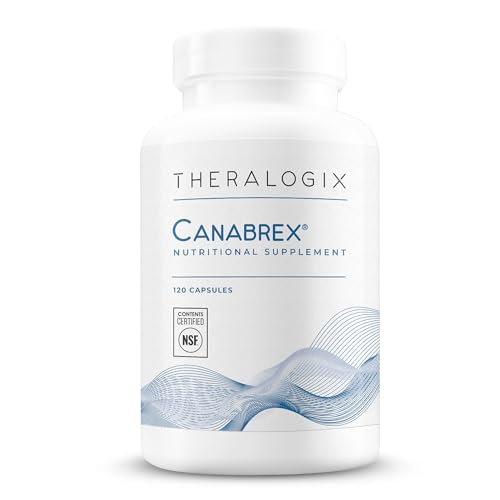
A direct head-to-head comparison of these formulations in back pain has not yet been published. Consumers should be aware that most clinical evidence is built on ultramicronized or enhanced-bioavailability forms; standard bulk PEA powder has less direct clinical support for chronic pain outcomes.
PEA in Combination Approaches and Multimodal Plans
Several studies have tested PEA not as a standalone agent but combined with other analgesic, antioxidant, or anti-inflammatory ingredients. A 2025 prospective clinical trial evaluated a supplement combining PEA with Equisetum arvense (horsetail) in chronic pain participants and found improvements in pain outcomes over the study period [9]. The 2025 cohort study in elderly patients [7] paired PEA with alpha lipoic acid and myrrh on top of an interventional injection procedure, observing sustained functional gains over one year.
These combination designs reflect common clinical practice — pairing PEA’s neuroinflammatory modulation with antioxidant or neuroprotective co-ingredients — but they make it difficult to isolate the contribution of PEA alone. Individuals considering PEA alongside prescription medications for pain should discuss potential interactions with a healthcare provider before combining them.
🛒 Where to Buy Palmitoylethanolamide (PEA)
- Neurobiologix PEA (Palmitoylethanolamide) with Levagen+Lab-tested / studied
capsules, 400 mg PEA (as Levagen+) per capsule — Uses Gencor’s clinically studied Levagen+ branded ingredient; the same material used in human clinical trials; anchor recommendation - Nootropics Depot Palmitoylethanolamide Capsules
capsules, 600 mg per capsule — Community-trusted for third-party purity verification; higher per-capsule dose suited to those requiring 600–1200 mg daily - Double Wood Supplements Palmitoylethanolamide (PEA)
capsules, 400 mg per capsule — Budget-accessible with third-party testing certificates available; reliable entry-level option for new users - Liftmode Palmitoylethanolamide (PEA) Powder
powder, 400 mg per measured scoop — Certificate of analysis published per batch; powder form allows flexible dosing and is significantly cheaper per gram for long-term daily users
As an Amazon Associate we earn from qualifying purchases. PEA quality depends on particle size more than price. Most clinical research used micronized or ultramicronized material, so prefer a product that states its particle size grade or names a branded ingredient such as Levagen+, and check the daily serving reaches the 600 to 1,200 mg used in trials. A label reading only palmitoylethanolamide, with no particle size disclosure, is often standard crystalline powder that absorbs substantially less.

A Note on the Evidence
The clinical evidence for PEA in chronic low back pain is promising but preliminary: most studies are small, short-term, observational, or test PEA as part of a multi-ingredient regimen, making it impossible to definitively attribute outcomes to PEA alone. PEA is a dietary supplement — not an FDA-approved treatment for any condition — and individuals taking immunosuppressants, anticoagulants, or cancer chemotherapy should consult a qualified healthcare provider before use.
Frequently Asked Questions
What is palmitoylethanolamide and how is it different from CBD?
PEA is a fatty acid amide produced naturally by the human body in response to cellular stress — it is endogenous, not derived from a plant. Unlike cannabidiol (CBD), PEA does not interact with cannabinoid receptors; its primary actions are through PPAR-α nuclear receptor activation and mast cell stabilization [2]. The two compounds are sometimes discussed together because both modulate the endocannabinoid system indirectly, but their mechanisms and regulatory profiles are distinct.
Is there direct clinical evidence for PEA in chronic low back pain specifically?
Yes, though the evidence is still limited in scale and quality. An observational study reported pain and functional improvements when ultramicronized PEA was added to rehabilitative therapy for chronic low back pain [5], and a pilot trial of water-dispersible PEA in sciatica-related back pain showed functional benefits [8]. A broader meta-analysis found significant pain reductions across musculoskeletal and neuropathic pain categories that include back pain presentations [1].
Does PEA work like an opioid or an anti-inflammatory drug?
No. PEA does not bind opioid receptors and does not inhibit cyclooxygenase (COX) enzymes as NSAIDs do. It works primarily upstream through PPAR-α-mediated gene regulation and mast cell stabilization, reducing neuroinflammatory signaling rather than blocking pain signal transmission [2]. This non-opioid, non-NSAID mechanism is one reason researchers are exploring PEA as a chronic pain option with a more favorable long-term tolerability profile [3].
Does the formulation of a PEA supplement matter?
It likely matters significantly. Standard PEA has poor water solubility and limited absorption from the gut. Ultramicronized PEA is used in most of the chronic back pain clinical studies [5], and a water-dispersible form was used in the 2026 sciatica pilot trial [8]. Consumers seeking a product backed by available clinical evidence should look specifically for ultramicronized or water-dispersible formulations rather than standard PEA powder.
Can PEA be used alongside other treatments for back pain?
It has been studied in multimodal contexts. One cohort study combined PEA with alpha lipoic acid, myrrh, and an interventional injection procedure in elderly patients with chronic low back pain [7], while another trial combined PEA with Equisetum arvense for general chronic pain [9]. These combination approaches showed promising outcomes, but isolating PEA’s contribution is difficult. Anyone considering PEA alongside prescription pain medications or anticoagulants should consult a healthcare provider to assess interactions.
What are the known safety concerns with long-term PEA use?
Clinical trials to date report a favorable tolerability profile for PEA, without the gastrointestinal or cardiovascular risks associated with chronic NSAID use or the dependence risks of opioids. However, most published trials are short in duration and modest in sample size, so comprehensive long-term safety data in humans are not yet available. PEA is not FDA-approved to treat any condition, and individuals with autoimmune conditions, those taking immunosuppressants or anticoagulants, or those undergoing chemotherapy should seek medical guidance before starting supplementation.
References
- Scuteri D et al. Effects of Palmitoylethanolamide (PEA) on Nociceptive, Musculoskeletal and Neuropathic Pain: Systematic Review and Meta-Analysis of Clinical Evidence. Pharmaceutics (2022). PMID 36015298
- Darmani NA et al. Involvement of the cannabimimetic compound, N-palmitoyl-ethanolamine, in inflammatory and neuropathic conditions: review of the available pre-clinical data, and first human studies. Neuropharmacology (2005). PMID 15910891
- Marchesi N et al. Non-drug pain relievers active on non-opioid pain mechanisms. Pain practice : the official journal of World Institute of Pain (2022). PMID 34498362
- Hesselink JM et al. Therapeutic utility of palmitoylethanolamide in the treatment of neuropathic pain associated with various pathological conditions: a case series. Journal of pain research (2012). PMID 23166447
- Scaturro D et al. Combination of Rehabilitative Therapy with Ultramicronized Palmitoylethanolamide for Chronic Low Back Pain: An Observational Study. Pain and therapy (2020). PMID 31863365
- Bonetti M et al. New Approach to Chronic Back Pain Treatment: A Case Control Study. Biomedicines (2022). PMID 36672581
- Bonetti M et al. Effective Management of Chronic Low Back Pain in the Elderly: A One-Year Cohort Study of Oxygen-Ozone Therapy Under CT Guidance Combined with Alpha Lipoic Acid, Palmitoylethanolamide, and Myrrh. Biomedicines (2025). PMID 40427076
- Raju HN et al. Water-Dispersible Palmitoylethanolamide (PEA) Supplementation for Functional Improvement in Adults With Chronic Sciatica-Related Back Pain: A Pilot Clinical Trial. Cureus (2026). PMID 42255791
- Invernizzi M et al. Evaluation of the Clinical Efficacy of a Novel Palmitoylethanolamide-Equisetum arvense Supplement for the Management of Chronic Pain: Findings from a Prospective Clinical Trial. Medical sciences (Basel, Switzerland) (2025). PMID 40981167
These statements have not been evaluated by the Food and Drug Administration. This information is not intended to diagnose, treat, cure, or prevent any disease. Content is for informational purposes only and is not medical advice; consult a qualified healthcare provider before starting any supplement. As an Amazon Associate we earn from qualifying purchases.
