Understanding Palmitoylethanolamide (PEA): A Natural Ally Against Pain and Inflammation
Palmitoylethanolamide (PEA) is a naturally occurring fatty acid amide, endogenously produced in the body and found in various foods like eggs, peanuts, and soybeans. It belongs to the family of N-acylethanolamines, which also includes anandamide, a well-known endocannabinoid. PEA is often referred to as an “autacoid,” meaning it acts locally near its site of synthesis, regulating physiological processes. The primary mechanism of action for PEA is its ability to interact with the endocannabinoid system, although it is not a direct cannabinoid receptor agonist. Instead, PEA is proposed to act as an “entourage” compound, enhancing the activity of other endocannabinoids and modulating a range of receptors, including PPAR-alpha (peroxisome proliferator-activated receptor alpha). This multifaceted action contributes to its anti-inflammatory and analgesic properties.PEA’s Role in Pain Modulation and Inflammation
PEA exerts its effects by down-regulating the activity of mast cells and glial cells, which are key players in the initiation and maintenance of chronic pain and inflammation. Mast cells release pro-inflammatory mediators, while activated glial cells contribute to central sensitization, a phenomenon where the nervous system becomes hypersensitive to pain signals. By calming these cellular responses, PEA helps to reduce both the inflammatory cascade and the perception of pain. Research suggests PEA can reduce neuroinflammation and neuropathic pain by modulating inflammatory pathways and protecting nerve cells. This makes it a compelling candidate for conditions characterized by persistent inflammation and nerve damage. Its ability to act on multiple targets without significant side effects makes it an appealing non-opioid alternative or adjunct therapy.Key Considerations for Choosing a PEA Supplement
Not all PEA supplements are created equal. The bioavailability and efficacy of PEA are significantly influenced by how it is processed. When evaluating options, three primary factors stand out: micronization, ultra-micronization, and specific branded formulations like Levagen+.Micronized and Ultra-Micronized PEA: Enhancing Absorption
PEA is naturally poorly soluble in water, which can limit its absorption in the gut. To overcome this, manufacturers employ micronization, a process that reduces particle size. Micronized PEA has a particle size typically between 6-10 micrometers. This smaller size increases the surface area, allowing for better dissolution and absorption. Ultra-micronized PEA takes this a step further, reducing particle size to below 2 micrometers. Studies have shown that ultra-micronized PEA significantly enhances plasma concentrations compared to non-micronized forms, leading to potentially greater therapeutic effects. For chronic pain management, where consistent and effective delivery is crucial, ultra-micronized forms are generally preferred.
Levagen+: A Clinically Researched Formulation
Levagen+, developed by Gencor, is a specific branded form of PEA that has undergone extensive clinical research. It is a highly bioavailable PEA formulation, often utilizing a specific delivery technology to further enhance absorption. Clinical trials on Levagen+ have explored its efficacy in pain management, sleep quality, and exercise recovery. The advantage of choosing a branded ingredient like Levagen+ is the assurance of consistent quality, purity, and the backing of specific human studies. When a supplement specifies “Levagen+” on its label, you are getting a form of PEA that has been tested for its properties and benefits. This can provide an additional layer of confidence for those seeking a reliable product.PEA for Specific Chronic Pain Conditions: What the Evidence Says
PEA has been investigated across a spectrum of chronic pain conditions. While the body of evidence continues to grow, it is important to review the findings with a critical and empathetic lens, acknowledging both promising results and areas where more robust research is needed.Fibromyalgia and Chronic Widespread Pain
Fibromyalgia is characterized by widespread musculoskeletal pain accompanied by fatigue, sleep, memory, and mood issues. Several studies have explored PEA’s potential in fibromyalgia. Some clinical trials suggest PEA, particularly in micronized or ultra-micronized forms, can reduce pain intensity and improve quality of life in patients with fibromyalgia. For example, a randomized, double-blind, placebo-controlled study found that ultra-micronized PEA significantly reduced pain scores in fibromyalgia patients after several weeks of treatment. The mechanism is thought to involve its anti-inflammatory actions and its ability to modulate glial cell activity, which is implicated in central sensitization in fibromyalgia. However, not all studies show strong effects, and PEA is generally considered an adjunct therapy rather than a standalone cure.Endometriosis Pain and Pelvic Pain
Endometriosis, a condition where tissue similar to the lining of the uterus grows outside the uterus, causes chronic pelvic pain, dysmenorrhea, and dyspareunia. PEA’s anti-inflammatory and pain-modulating properties make it a relevant area of study for this condition. Early research, including observational studies and some smaller randomized trials, indicates that PEA may help reduce chronic pelvic pain and dysmenorrhea associated with endometriosis. Its ability to calm mast cell activation, which is often heightened in endometriotic lesions, is a key proposed mechanism. While promising, larger, long-term studies are still needed to solidify PEA’s role as a primary treatment for endometriosis pain.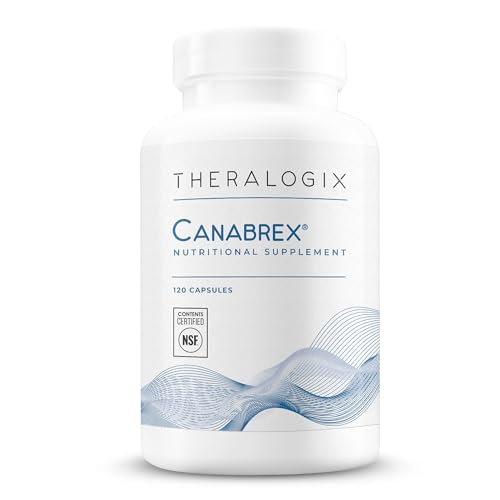
Neuropathic Pain Conditions
Neuropathic pain, arising from damage to the somatosensory nervous system, can be particularly challenging to treat. Conditions like sciatica, diabetic neuropathy, and carpal tunnel syndrome often involve neuroinflammation and nerve hypersensitivity. PEA has shown considerable promise in managing various forms of neuropathic pain. Multiple clinical studies, including meta-analyses, have reported that PEA can significantly reduce pain intensity and improve functional outcomes in patients with different types of neuropathic pain. Its neuroprotective effects and ability to modulate glial cell activation are crucial here. The evidence base for neuropathic pain is among the strongest for PEA, making it a valuable non-opioid option for many sufferers.PEA vs. CBD: Understanding the Differences
In the landscape of natural pain relief, PEA and CBD (cannabidiol) are often discussed together due to their interaction with the endocannabinoid system. However, their mechanisms of action and legal status differ significantly.| Feature | Palmitoylethanolamide (PEA) | Cannabidiol (CBD) |
|---|---|---|
| Source | Endogenous fatty acid amide, also found in food | Phytocannabinoid from the cannabis plant |
| Primary Mechanism | Indirectly enhances endocannabinoid system, PPAR-alpha agonist, mast cell/glial cell modulator | Indirectly influences cannabinoid receptors, interacts with other receptors (serotonin, vanilloid) |
| “High” Effect | No psychoactive effects | No psychoactive effects (non-intoxicating) |
| Legal Status | Widely available as a dietary supplement | Varies by region/country, often regulated differently than PEA |
| Safety Profile | Generally well-tolerated, few reported side effects | Generally well-tolerated, potential for drug interactions (e.g., blood thinners) |
| Focus in Research | Chronic pain, inflammation, neuropathic pain | Anxiety, sleep, pain, inflammation, epilepsy |
Recommended PEA Supplement Types to Look For
When searching for PEA supplements, consider these types to ensure you’re getting a high-quality product that maximizes potential benefits: Ultra-micronized PEA supplements: Prioritize products that explicitly state “ultra-micronized” on their label. This indicates the smallest particle size for optimal absorption and bioavailability. Levagen+ branded PEA supplements: Look for supplements that feature the Levagen+ trademark. This ensures you are purchasing a clinically studied and quality-controlled form of PEA. Pure PEA capsules or powders with minimal fillers: Check the ingredient list for unnecessary additives. A high-quality PEA supplement should primarily contain PEA, with minimal inactive ingredients.
Dosage and Safety Considerations for PEA
Typical dosages for PEA in clinical studies range from 300 mg to 1200 mg per day, often divided into two or three doses. It’s generally recommended to start with a lower dose and gradually increase to assess individual tolerance and efficacy. Consistency is key, as PEA’s effects are often cumulative and may take several weeks to become noticeable. PEA is generally considered safe and well-tolerated with few reported side effects. The most common adverse events, when they occur, are mild gastrointestinal disturbances. There are no known significant drug interactions, making it a suitable adjunct for many individuals. However, as with any supplement, it is always wise to consult with your healthcare provider before starting PEA, especially if you have underlying health conditions or are taking other medications.Conclusion: An Informed Choice for Your Pain Journey
Navigating chronic pain requires patience, persistence, and a willingness to explore various avenues for relief. Palmitoylethanolamide (PEA) stands out as a promising, evidence-backed natural compound with a favorable safety profile, particularly for neuropathic pain, fibromyalgia, and endometriosis-related discomfort. By understanding the importance of micronization, ultra-micronization, and trusted formulations like Levagen+, you can make a more informed decision in your search for relief. Remember, PEA is not a miracle cure, but for many, it offers a genuine opportunity to reduce pain and inflammation, improving daily quality of life. Your pain journey is unique, and choosing the right supplement is a step towards reclaiming comfort and control.Frequently Asked Questions About PEA Supplements
How long does it take for PEA to start working?
The effects of PEA are often cumulative. While some individuals may notice subtle changes within a few days, most studies suggest that it can take 2-8 weeks of consistent use to experience significant pain reduction and other benefits[1][2].
Can PEA be taken with other pain medications?
PEA is generally considered safe and has no known significant drug interactions. However, it is always recommended to consult with your healthcare provider before combining PEA with prescription medications, especially for chronic conditions.
Are there any side effects of taking PEA?
PEA is well-tolerated by most individuals. The most commonly reported side effects are mild gastrointestinal issues, such as stomach upset, which are typically rare and transient[3]. Always follow recommended dosages.
Is PEA addictive?
No, PEA is not addictive. It is a naturally occurring fatty acid amide that does not produce psychoactive effects or withdrawal symptoms, making it a safe non-opioid option for long-term use.
Can pregnant or breastfeeding individuals take PEA?
There is insufficient research on the safety of PEA during pregnancy and breastfeeding. It is strongly advised that pregnant or breastfeeding individuals avoid PEA or consult their doctor before use.
What is the difference between micronized and ultra-micronized PEA?
Both micronized and ultra-micronized PEA refer to reduced particle sizes designed to improve absorption. Ultra-micronized PEA has even smaller particles (typically less than 2 micrometers) than standard micronized PEA (6-10 micrometers), potentially leading to better bioavailability and efficacy.
References
- Viña I et al. Meta-Analysis of Palmitoylethanolamide in Pain Management: Addressing Literature Gaps and Enhancing Understanding. Nutrition reviews (2025). PMID 39798151
- Schweiger V et al. Extended Treatment with Micron-Size Oral Palmitoylethanolamide (PEA) in Chronic Pain: A Systematic Review and Meta-Analysis. Nutrients (2024). PMID 38892586
- Bortoletto R et al. Palmitoylethanolamide supplementation for human health: A state-of-the-art systematic review of Randomized Controlled Trials in patient populations. Brain, behavior, & immunity – health (2025). PMID 39839988
These statements have not been evaluated by the Food and Drug Administration. This information is not intended to diagnose, treat, cure, or prevent any disease. Content is for informational purposes only and is not medical advice; consult a qualified healthcare provider before starting any supplement. As an Amazon Associate we earn from qualifying purchases.
