Palmitoylethanolamide (PEA) is a fatty acid amide your body produces naturally to regulate pain and inflammation. Its primary proposed mechanisms involve activating the PPAR-α nuclear receptor and stabilizing mast cells, both of which help quiet neuroinflammatory signaling without engaging opioid pathways [1]. As a dietary supplement, PEA has attracted serious scientific attention, with a substantial body of clinical research accumulating over several decades [2].
One practical challenge with PEA is that it is a lipophilic molecule with low water solubility, which limits how readily the gastrointestinal tract can absorb it. To address this, manufacturers developed particle-reduction technologies, producing micronized and ultramicronized forms. These are not marketing synonyms: each describes a distinct particle-size range with measurable implications for how the compound behaves in the body. This article explains the difference, what the research suggests about each form, and what that means when you are choosing a supplement.
Key Takeaways
- Standard unprocessed PEA has low water solubility; micronization and ultramicronization increase surface area and dissolution rate to improve absorption.
- Ultramicronized PEA (um-PEA) has a smaller, tighter particle size distribution than general micronized PEA and represents the formulation used in most published clinical trials [2].
- The evidence for PEA in pain and neuroinflammation is more directly applicable to ultramicronized products than to unprocessed or loosely defined ‘micronized’ powders [3].
- PEA’s effects appear dose-dependent in experimental models, making the bioavailability of the chosen formulation a practical variable, not just a technical one [4].
- Not all supplement labels use these terms consistently; look for transparency about particle size specifications and whether the formulation matches what clinical studies actually tested.
Why PEA's Physical Form Matters for Absorption
Standard, unprocessed PEA consists of relatively large crystals. When a poorly water-soluble compound has large particles, only a limited surface area is exposed to intestinal fluids at any given moment, slowing dissolution and capping how much can be absorbed. This is not unique to PEA; it is a well-recognized challenge in pharmaceutical science for lipophilic molecules generally.
The basal pharmacology of PEA — including its tissue distribution, metabolism by fatty acid amide hydrolase (FAAH) and N-acylethanolamine-hydrolyzing acid amidase (NAAA), and receptor interactions — has been characterized in detail [5]. Because PEA is broken down relatively quickly, getting an adequate amount into systemic circulation before metabolism begins is important for achieving the tissue concentrations that appear relevant in experimental models. Particle size reduction is one of the most studied strategies for accomplishing this.
What 'Micronized' and 'Ultramicronized' Actually Mean
Micronization is a mechanical milling process that reduces a compound’s particle size to the micrometer range, typically between 2 and 10 microns for most pharmaceutical applications. Reducing particle size increases the total surface area of a given mass of material, which accelerates dissolution in aqueous fluids and can meaningfully improve absorption for poorly soluble compounds.

Ultramicronized PEA (frequently abbreviated as um-PEA or PEA-um in the literature) takes this further, aiming for a tighter particle distribution at the lower end of the micrometer range — typically cited as particles under 6 microns, with a high proportion under 2 microns. The distinction matters because even within the ‘micronized’ range, particle distribution width and median size can vary considerably between manufacturers and batches. Ultramicronization requires more controlled milling conditions and is associated with a specific surface-area-to-mass ratio that differs measurably from standard micronized material.
It is worth being direct: the terminology is not fully standardized across all supplement brands. A product labeled ‘micronized’ by one company may or may not match the particle specifications of the formulations studied in clinical trials. This makes formulation transparency an important factor when evaluating products.
What the Clinical Research Has Used
A notable feature of the PEA clinical literature is that the majority of controlled trials conducted over the past two decades have used ultramicronized or co-micronized formulations rather than unprocessed PEA. A 2025 comprehensive narrative review spanning decades of PEA research for chronic neuropathic pain found that much of the positive evidence is anchored to these particle-reduced forms [2]. This is a meaningful observation: it means the evidence base for efficacy in humans is more directly applicable to ultramicronized products than to unprocessed PEA powder.
One 2024 pharmacology paper examined ultramicronized PEA specifically in the context of persistent pain management when combined with conventional analgesics, exploring the mechanistic rationale and clinical evidence supporting this combination approach [3]. The research context here consistently points to the ultramicronized form as the reference standard in the pain and neuroinflammation literature, not because standard PEA is inert, but because the ultramicronized form has accumulated more direct human trial data.
Dose-Dependence and Nervous Tissue Bioavailability
Beyond gut absorption, a critical question for PEA is whether the compound reaches target tissues — particularly neural tissue — at concentrations sufficient to engage its proposed mechanisms. An in vitro study published in 2024 evaluated PEA’s effects on nervous tissue health and found that these effects were meaningfully dose-dependent, with distinct outcomes at different concentration ranges [4]. While in vitro models do not directly translate to human dosing, the finding reinforces why bioavailability matters: an equivalent nominal dose of poorly absorbed standard PEA versus well-absorbed ultramicronized PEA may produce substantially different tissue concentrations.
The neuroinflammatory mechanisms that PEA is proposed to modulate — including PPAR-α-driven resolution of glial activation and mast cell degranulation — have been documented in experimental neuroinflammation models [1]. Whether a given PEA formulation can reliably sustain the tissue levels needed to engage these pathways is partly a function of how well it is absorbed in the first place, which returns the discussion to particle size and formulation quality.
Emerging Approaches: Nanoparticle and Advanced Delivery Systems
Micronization and ultramicronization are not the only strategies researchers have explored to improve PEA delivery. A 2018 study investigated innovative nanoparticle formulations for delivering PEA to intraocular tissues, a context where penetrating biological barriers is especially demanding [6]. While this research addressed a specific route of administration rather than oral supplementation, it illustrates a broader effort to engineer PEA delivery systems that can overcome the compound’s inherent solubility limitations.
For oral supplements, nanoparticle formulations remain less commercially developed than micronized or ultramicronized forms, and they carry their own questions around safety, manufacturing consistency, and regulatory status. At present, ultramicronized PEA represents the oral formulation with the most substantial clinical evidence behind it. Nanoparticle approaches may offer advantages in specific applications, but the evidence base for oral supplementation is thinner.
Context: Where PEA Research Is Heading
PEA’s potential has been explored in several areas beyond pain, including neurodegeneration and cognitive aging. Researchers have proposed it as a candidate for investigation in Alzheimer’s disease, citing its ability to reduce neuroinflammatory signaling and support neuronal homeostasis [7]. Similarly, its role as a nutritional intervention for brain aging has been examined in veterinary contexts, where the compound’s tolerability and proposed neuroprotective mechanisms make it an area of active inquiry [8]. In each of these contexts, the question of which formulation delivers adequate bioavailability remains relevant.
It is important to be clear about the current state of evidence: PEA is a dietary supplement, not an FDA-approved drug. While the clinical literature is more substantial than for many supplements, it varies in study quality, sample size, and outcome measures. The strongest evidence consistently involves ultramicronized formulations, and even that evidence is stronger for certain applications — particularly chronic pain — than for others.
🛒 Where to Buy Palmitoylethanolamide (PEA)
- Neurobiologix PEA (Palmitoylethanolamide) with Levagen+Lab-tested / studied
capsules, 400 mg PEA (as Levagen+) per capsule — Uses Gencor’s clinically studied Levagen+ branded ingredient; the same material used in human clinical trials; anchor recommendation - Nootropics Depot Palmitoylethanolamide Capsules
capsules, 600 mg per capsule — Community-trusted for third-party purity verification; higher per-capsule dose suited to those requiring 600–1200 mg daily - Double Wood Supplements Palmitoylethanolamide (PEA)
capsules, 400 mg per capsule — Budget-accessible with third-party testing certificates available; reliable entry-level option for new users - Liftmode Palmitoylethanolamide (PEA) Powder
powder, 400 mg per measured scoop — Certificate of analysis published per batch; powder form allows flexible dosing and is significantly cheaper per gram for long-term daily users
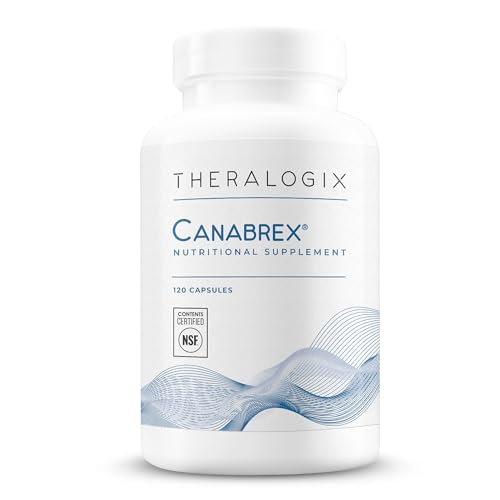
As an Amazon Associate we earn from qualifying purchases. PEA quality depends on particle size more than price. Most clinical research used micronized or ultramicronized material, so prefer a product that states its particle size grade or names a branded ingredient such as Levagen+, and check the daily serving reaches the 600 to 1,200 mg used in trials. A label reading only palmitoylethanolamide, with no particle size disclosure, is often standard crystalline powder that absorbs substantially less.

A Note on the Evidence
The clinical evidence for PEA is more developed than for many supplements but remains uneven in quality, and PEA is not FDA-approved to treat, cure, or prevent any disease. Individuals taking immunosuppressants, anticoagulants, or who are undergoing chemotherapy should consult a qualified healthcare provider before use, as drug interactions in these populations have not been well studied.
Frequently Asked Questions
Is ultramicronized PEA always better than micronized PEA?
Ultramicronized PEA has smaller particles and more surface area, which generally favors faster dissolution and potentially better absorption. Importantly, the majority of human clinical trials for pain and neuroinflammation have used ultramicronized formulations [2], so the evidence base is more directly tied to that form. Whether ‘better’ translates to meaningfully superior outcomes for a given individual is harder to say definitively from current evidence.
How does PEA work in the body?
PEA is thought to act primarily by activating the PPAR-α nuclear receptor, which drives resolution of neuroinflammatory signaling, and by stabilizing mast cells to reduce peripheral sensitization [1]. It does not act on opioid receptors. The compound is broken down by enzymes FAAH and NAAA, which is why sustained absorption — aided by smaller particle sizes — is relevant to maintaining tissue concentrations [5].
What doses have been used in research?
Clinical studies have used a range of doses, commonly between 300 mg and 1200 mg per day, often in divided doses. An in vitro study on nervous tissue found that PEA’s effects were meaningfully dose-dependent, with different concentration ranges producing distinct outcomes [4]. Standard oral supplementation doses are typically 600 mg once or twice daily, though individual context matters and no dose has been approved by any regulatory agency for a specific indication.
Are there any safety concerns with PEA supplements?
PEA has shown a favorable tolerability profile across clinical trials reviewed in the literature [2]. It is an endogenous compound the body produces naturally, which contributes to its tolerability. That said, individuals taking immunosuppressants, anticoagulants, or chemotherapy agents should consult a physician before adding PEA, as interactions in these populations have not been thoroughly characterized. This is informational, not medical advice.
Does the route of delivery matter beyond oral supplementation?
Yes. Researchers have explored alternative delivery routes to overcome PEA’s bioavailability limitations. A 2018 study demonstrated that nanoparticle formulations could enhance PEA delivery to intraocular tissues, which has distinct barriers compared to the gastrointestinal tract [6]. For most supplement users, oral ultramicronized formulations are the best-studied option, but research into topical and other delivery systems is ongoing.
Can PEA support brain health specifically?
PEA has been proposed as a potential neuroprotective compound based on its ability to reduce neuroinflammatory signaling. It has been investigated as a candidate for Alzheimer’s disease support [7] and as a nutritional intervention for brain aging in animal models [8]. These are areas of early research interest rather than established clinical use, and claims about cognitive benefits should be interpreted with appropriate caution given the current evidence base.
References
- Skaper SD et al. N-Palmitoylethanolamine and Neuroinflammation: a Novel Therapeutic Strategy of Resolution. Molecular neurobiology (2015). PMID 26055231
- Varrassi G et al. A Decades-Long Journey of Palmitoylethanolamide (PEA) for Chronic Neuropathic Pain Management: A Comprehensive Narrative Review. Pain and therapy (2025). PMID 39630391
- Nobili S et al. Ultramicronized N-palmitoylethanolamine associated with analgesics: Effects against persistent pain. Pharmacology & therapeutics (2024). PMID 38615798
- Galla R et al. Palmitoylethanolamide as a Supplement: The Importance of Dose-Dependent Effects for Improving Nervous Tissue Health in an In Vitro Model. International journal of molecular sciences (2024). PMID 39201765
- Rankin L et al. The Basal Pharmacology of Palmitoylethanolamide. International journal of molecular sciences (2020). PMID 33114698
- Puglia C et al. Innovative Nanoparticles Enhance N-Palmitoylethanolamide Intraocular Delivery. Frontiers in pharmacology (2018). PMID 29643808
- Beggiato S et al. Palmitoylethanolamide (PEA) as a Potential Therapeutic Agent in Alzheimer's Disease. Frontiers in pharmacology (2019). PMID 31396087
- Scuderi C et al. Successful and Unsuccessful Brain Aging in Pets: Pathophysiological Mechanisms behind Clinical Signs and Potential Benefits from Palmitoylethanolamide Nutritional Intervention. Animals : an open access journal from MDPI (2021). PMID 34573549
These statements have not been evaluated by the Food and Drug Administration. This information is not intended to diagnose, treat, cure, or prevent any disease. Content is for informational purposes only and is not medical advice; consult a qualified healthcare provider before starting any supplement. As an Amazon Associate we earn from qualifying purchases.
